


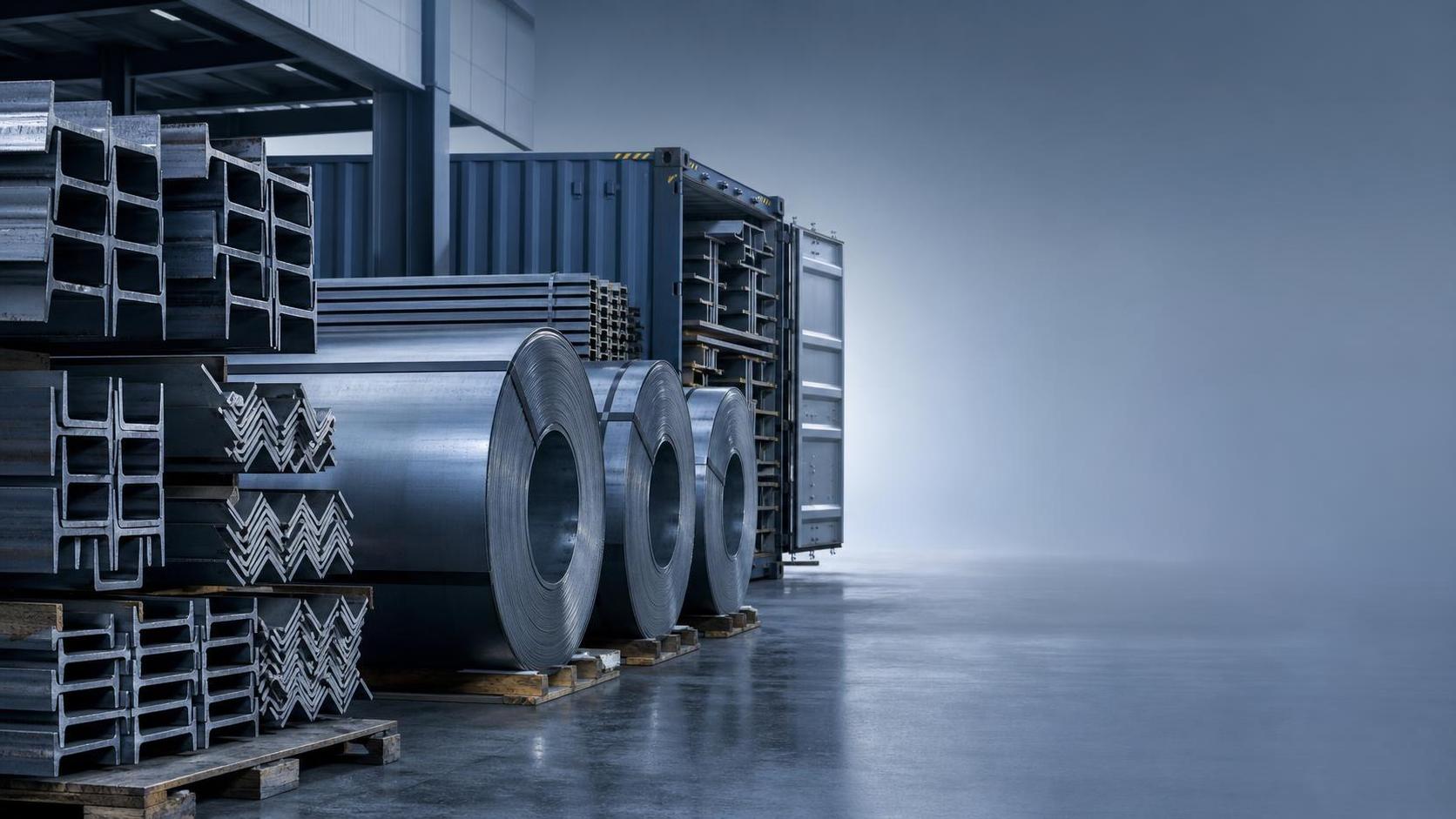
On July 28, 2026, the European Commission brought the third transitional stage of CBAM for steel products into effect, expanding reporting obligations to all steel sections exported to the EU, including H-beams, angle steel, and channel steel, as well as hot-rolled coil. For exporters, compliance teams, certification-related service providers, and supply chain coordinators, this is not only a reporting update but a practical change that can affect customs clearance, delivery timing, pricing structure, and documentation readiness.
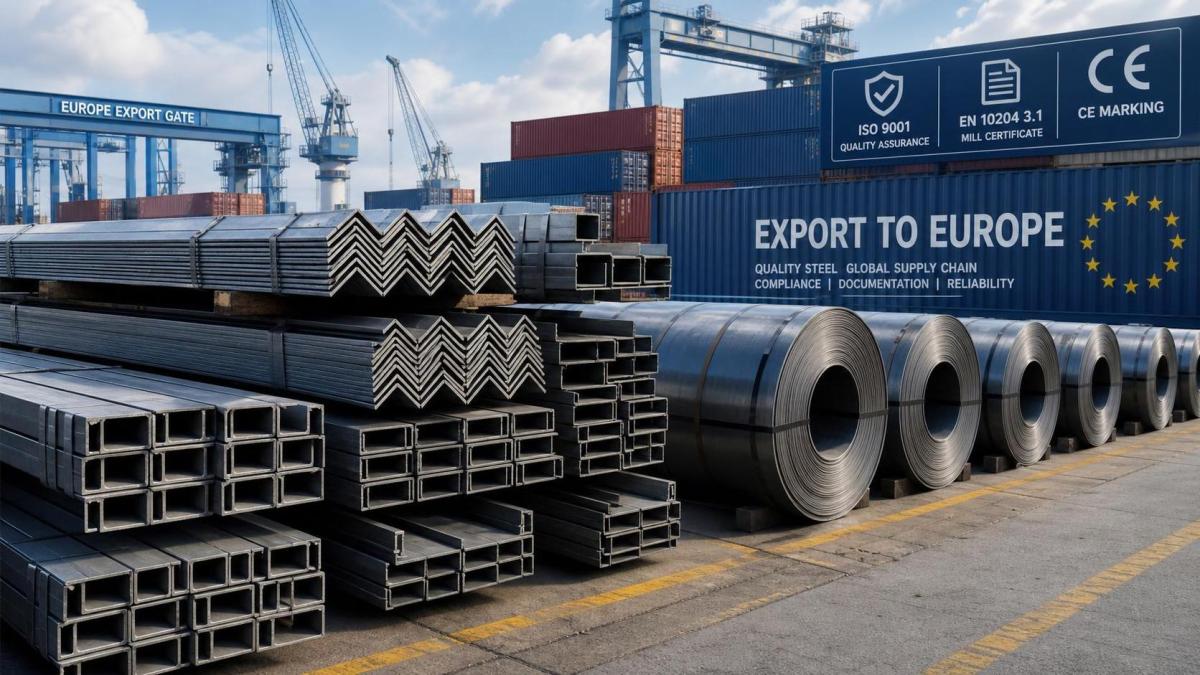
What Has Officially Changed From July 28
According to the provided event information, the third transitional stage of the EU CBAM took effect on July 28, 2026. From that date, all steel sections exported to the EU, including H-beams, angle steel, and channel steel, together with hot-rolled coil, were brought into the reporting scope.
Exporting companies are required to submit certified data on embedded carbon emissions and electricity cost information by the 15th of each month. The provided information also states that non-compliant reporting may affect customs clearance and order delivery. It further confirms that the adjustment directly affects the quotation structure for Chinese steel exporters selling into Europe, the preparation cycle for certification, and coordination requirements across the supply chain.
Where The Pressure Is Likely To Appear First
Export offers may need earlier carbon-data coordination
From an industry perspective, exporters shipping steel sections and hot-rolled coil to the EU are the most directly exposed group. The reason is straightforward: the reporting requirement now applies to additional product categories, and the required data must be certified and submitted on a monthly timetable. In business terms, that can move carbon data and electricity cost information closer to the front end of quotation preparation, contract review, and shipment scheduling.
What deserves closer attention is the connection between compliance timing and delivery execution. Since non-compliant reporting may affect customs clearance and order delivery, exporters may need to monitor whether shipment planning, customs documentation, and internal submission calendars remain aligned.
Manufacturers and processors may face tighter document handoffs
For mills, processors, and other manufacturing parties involved in export supply, the main impact is likely to appear in document preparation and upstream data support. Analysis shows that once embedded emissions and electricity cost data must be certified for monthly submission, the handoff between production records, compliance review, and export paperwork becomes more time-sensitive.
This does not by itself confirm a new production rule, but it does indicate that technical records, emissions-related data, and product-level documentation may become more important in order execution for affected steel categories.
Certification and compliance service providers may see more time-critical requests
Certification-related firms and other compliance support organizations are also likely to be affected because the required emissions and electricity cost information must be certified before submission. Observably, the issue is not only whether supporting documents exist, but whether they can be prepared in a form and within a timetable that matches monthly filing obligations.
For service providers, this may increase the importance of review cycles, submission sequencing, and coordination with exporters and manufacturers, especially where orders are time-sensitive.
Buyers and logistics coordinators may need clearer delivery assumptions
Procurement teams, EU-facing buyers, and logistics coordinators may also feel the impact indirectly. If reporting compliance can affect customs clearance and delivery, then shipment timing, order commitments, and handover points across the supply chain may need closer review. Analysis shows that this matters particularly where contracts, delivery windows, or inventory planning assume stable export timing.
Practical Issues Companies Should Track Now
Check whether current product files support the new reporting scope
Companies dealing in steel sections and hot-rolled coil should first verify whether their existing product and export files are adequate for the newly covered scope. The practical issue is not abstract compliance awareness but whether the records needed for certified embedded emissions and electricity cost reporting can be assembled consistently for the affected products.
Review the monthly submission rhythm against shipping schedules
The stated requirement to file by the 15th of each month creates a fixed reporting rhythm. Analysis shows that businesses should pay attention to how this timing interacts with order confirmation, customs processing, and delivery commitments. Where submission readiness lags behind shipment planning, the risk may appear in execution rather than in contract language.
Revisit Europe-bound pricing logic
The provided information explicitly notes an effect on quotation structures for Chinese steel exporters to Europe. It is more appropriate to understand this as a commercial and compliance linkage: if certified carbon-related data and electricity cost information are now part of the reporting burden for a wider product set, then quote preparation may require earlier internal validation and closer alignment between sales, compliance, and production teams.
Monitor cross-supply-chain coordination rather than one-off filing only
What deserves closer attention is the supply chain coordination requirement highlighted in the event summary. Companies should not treat the change as a standalone monthly filing task. The more practical issue is whether upstream and downstream participants can provide the necessary information, review it in time, and keep order execution on schedule without documentation gaps.
Why This Looks More Like An Execution Signal Than A Headline Change
Analysis shows that this update is more significant as an execution signal than as a general policy headline. The key point is that additional steel products are now inside the reporting scope and that monthly submission of certified emissions and electricity cost data is tied to customs clearance and delivery outcomes. That shifts CBAM, for the affected steel categories, further into day-to-day export operations.
At the same time, it remains necessary to keep observing how filing expectations, certification practice, and business-side document flows are implemented in real transactions. The current information confirms the rule change and its direct areas of impact, but it does not provide further operational detail beyond that.
How The Market Is Better Reading This Development
A balanced reading is that this is a landed compliance change for affected steel exports rather than a distant policy discussion. For companies selling steel sections and hot-rolled coil into the EU, the immediate significance lies in reporting scope expansion, monthly certified data submission, and the risk that non-compliance can disrupt clearance and delivery. It is more appropriate to understand this as a practical rule change with commercial implications, while continuing to watch how execution standards and market responses develop.
Basis Of This Article And What Still Needs Verification
This article is based on the user-provided news title, event date, and event summary. For developments of this type, commonly relevant source categories may include official announcements, releases from regulatory authorities, customs or trade administration information, industry association updates, standard-setting documents, and reporting from established trade or business media.
No specific official source link was provided in the input, so the exact official link remains to be verified on an ongoing basis. Observably, the areas that still require continued attention include detailed implementation language, certification practice, filing interpretation, changes in tender or contract documentation, industry feedback, and how affected companies execute the new reporting obligations in practice.

By clicking 'Allow All', you agree to the storage of cookies on your device to enhance site navigation, analyze site usage and assist with our marketing efforts. Coo Cookie Notice
Please give us a message
SHANDONG LUBAO METAL GROUP CO., LTD.