


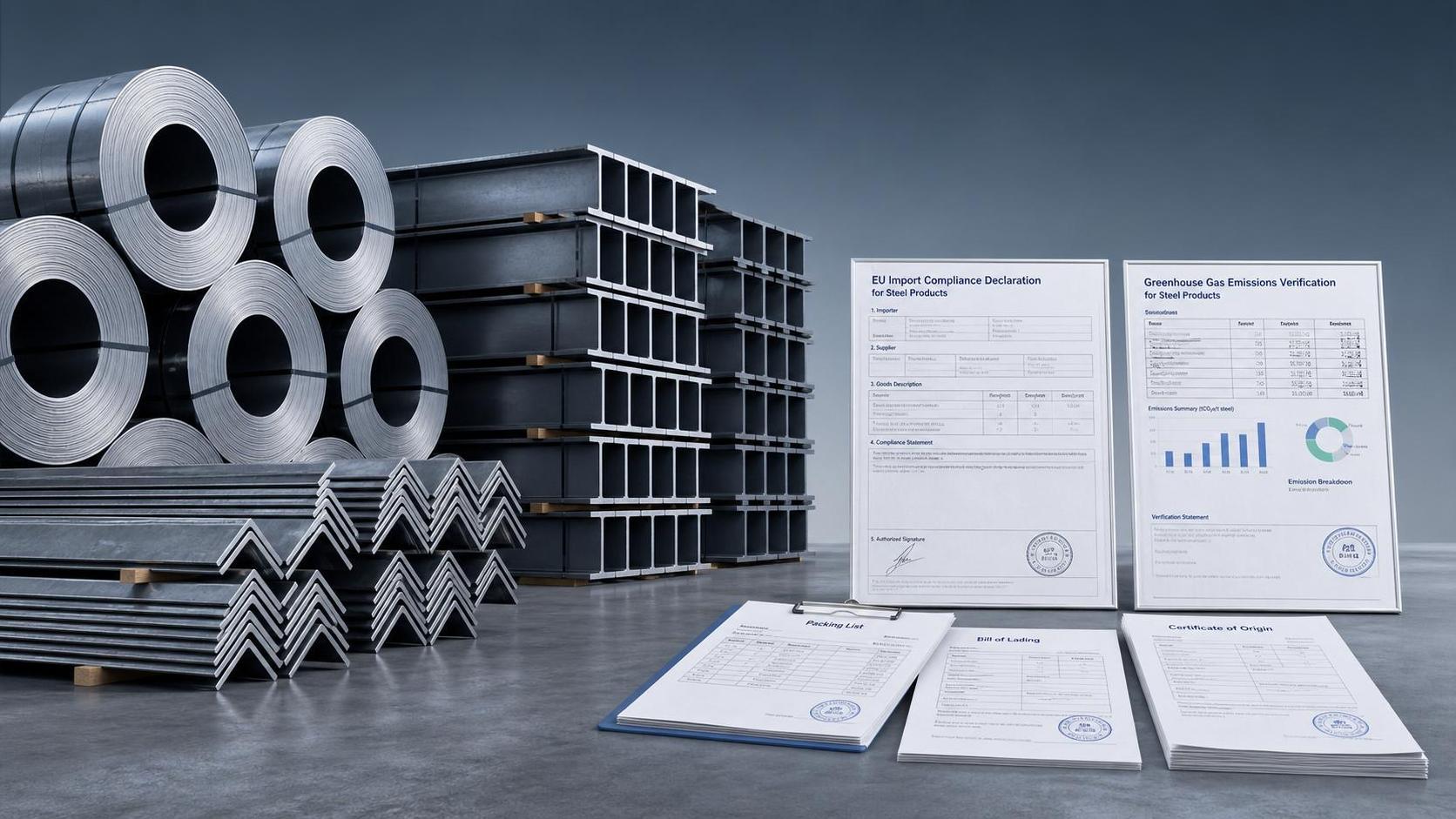
On July 15, 2026, the European Commission formally moved steel imports into a new compliance stage under CBAM, requiring Phase 3 reporting for key products including hot-rolled coil, H-beams, angle steel, and semi-finished steel. For importers selling into the EU market, the immediate concern is no longer only tariff exposure or pricing, but whether shipment documentation can now support customs clearance with verified embedded carbon data and a carbon monitoring plan from Chinese producers. That makes this development relevant not only to exporters and EU importers, but also to procurement teams, supply chain operators, and manufacturers managing delivery schedules and contract performance.
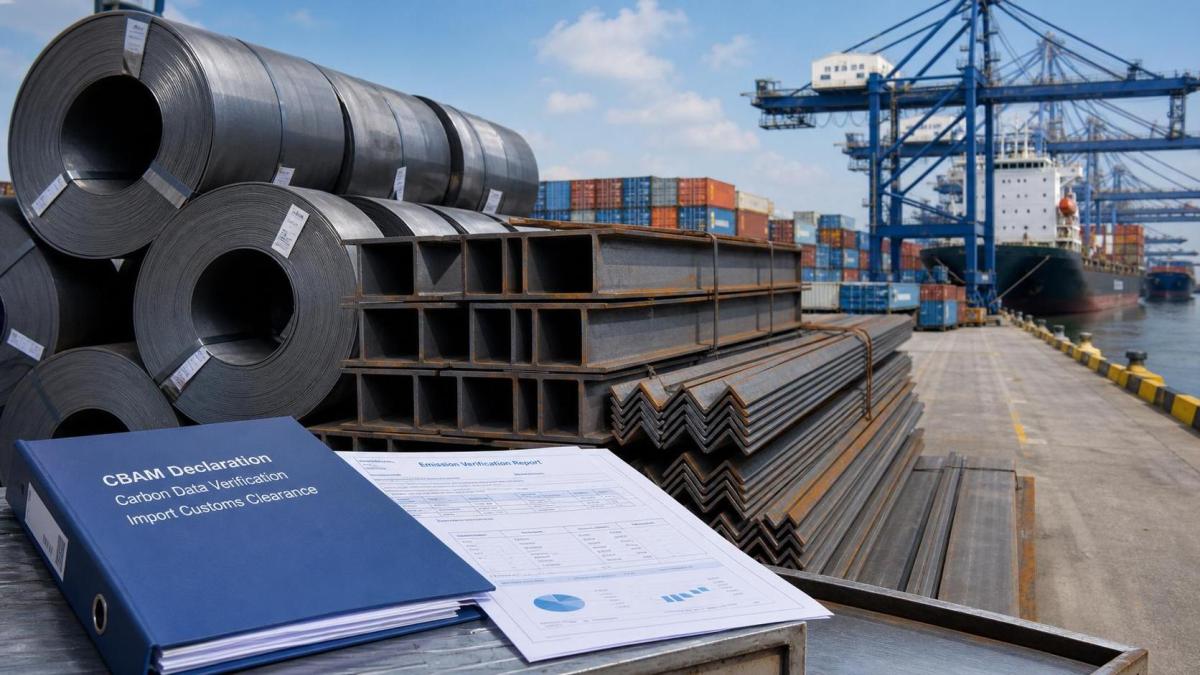
What the new filing requirement now covers
Based on the provided information, the new requirement took effect on July 15, 2026, under the EU's CBAM framework for steel imports. The measure mandates Phase 3 data reporting for imported hot-rolled coil, H-beams, angle steel, and other major sections and semi-finished steel products.
Importers are required to submit embedded carbon emissions data that has been verified by an accredited third party. They must also provide the carbon emissions monitoring plan of the relevant Chinese producer. Where reporting is not compliant, shipments may face customs clearance delays or be denied entry.
Where disruption is most likely across the steel trade chain
Export transactions tied directly to the EU market
From an industry perspective, trading companies and exporters serving EU buyers are likely to feel the impact first because the reporting obligation now sits closer to the shipment and customs interface. The practical effect is that sales execution may depend not only on product availability and pricing, but also on whether the underlying emissions documentation is complete, verified, and aligned with the imported goods.
Procurement teams managing supplier readiness
Buyers and sourcing teams may be affected because compliance now depends on information that must come from upstream production. What deserves closer attention is whether suppliers of hot-rolled coil, structural sections, and semi-finished steel can provide third-party-verified embedded carbon figures and a usable monitoring plan in time for shipment. In this context, procurement risk may extend into lead-time planning and supplier selection.
Manufacturing and processing businesses with delivery commitments
Processing and manufacturing companies that rely on imported steel for EU-linked orders may also need to watch this closely. Analysis shows that if inbound materials face customs delays or refusal of entry, the pressure can move downstream into production scheduling, contract performance, and customer delivery coordination, even when the physical product itself is available.
Logistics and supply chain service providers
Supply chain service providers are likely to encounter more document-sensitive execution risk. Their role may become more exposed where customs timing, shipment sequencing, and document completeness are tightly linked. The issue here is less about freight movement alone and more about whether cargo can move through clearance without compliance gaps.
What companies should review now
Check whether product scope and shipment planning still match
Companies involved in exporting or importing the covered steel categories should review whether current shipment plans involve hot-rolled coil, H-beams, angle steel, or semi-finished steel subject to the new reporting stage. The immediate business question is whether product classification, documentation flow, and customs preparation remain aligned under the new requirement.
Validate emissions data before shipment windows tighten
Because the filing requirement specifically refers to accredited third-party verification of embedded carbon emissions, businesses should pay close attention to whether the required data can be obtained and matched to each shipment in a usable form. The key operational issue is timing: documentation that exists too late may not protect delivery schedules.
Review producer-side monitoring plans in parallel
The requirement for a Chinese producer's carbon emissions monitoring plan means compliance is not limited to the importer's own filing process. Observably, importers and exporters need to confirm that upstream producers can provide supporting materials that are consistent, current, and suitable for submission. This is likely to become a coordination issue between commercial teams, compliance staff, and producers rather than a standalone paperwork step.
Separate policy language from execution risk
What deserves closer attention is the difference between a rule taking effect and a shipment being able to clear in practice. Even where counterparties understand the requirement, actual business exposure may appear in customs delays, document rework, contract communication, and revised delivery expectations. Companies with EU-bound steel trade should therefore treat operational preparedness as a near-term priority.
Why this matters beyond a single filing change
Analysis shows that this development is more than a routine reporting update for steel trade into the EU. The combination of mandatory Phase 3 reporting, third-party verification, and producer monitoring-plan disclosure indicates that carbon-related data is becoming part of the shipment qualification process itself. That does not, on its own, establish every long-term commercial outcome, but it does signal that carbon documentation quality is moving closer to the core of trade execution.
It is more appropriate to understand this as both an immediate operational change and a longer-term compliance signal. The immediate effect concerns customs clearance, lead times, and exporter-importer coordination. The longer-term implication, still requiring observation, is whether documentation capability becomes a more visible factor in supplier access to the EU market.
How this update is best understood for now
At this stage, the clearest conclusion is that the new CBAM reporting requirement for steel imports should be read as a concrete compliance development with direct effects on documentation, shipment timing, and trade coordination. It should not be reduced to a headline policy shift alone, because the stated consequence of non-compliance already reaches customs clearance and market entry.
At the same time, it would be premature to assign broader market outcomes beyond the information provided. The more balanced reading is that this is an active rule change with immediate transaction-level relevance and wider implications that still need continued monitoring.
Basis of this article and what still needs verification
This article is based on the user-provided news title, event date, and event summary. For developments of this kind, source types typically requiring continued verification include official announcements, company disclosures, industry association updates, authoritative media reporting, and relevant standards or compliance documents.
A specific official source link was not provided in the input, so further validation remains necessary. Follow-up attention should focus on any additional official wording, scope clarification, or implementation details that may affect filing practice, document standards, and shipment handling for steel exports into the EU.

By clicking 'Allow All', you agree to the storage of cookies on your device to enhance site navigation, analyze site usage and assist with our marketing efforts. Coo Cookie Notice
Please give us a message
SHANDONG LUBAO METAL GROUP CO., LTD.