



On July 15, 2026, the U.S. Department of Commerce announced a new shipper review under the antidumping duty order covering hot-rolled steel coil from China, including HS 7208 and 7211. For exporters, importers, and supply chain teams handling third-quarter 2026 business, the immediate issue is not only the review itself but also the short filing window for transaction records, cost structure details, and related-party declarations, all of which can affect customs timing, deposit estimates, and supplier qualification checks.
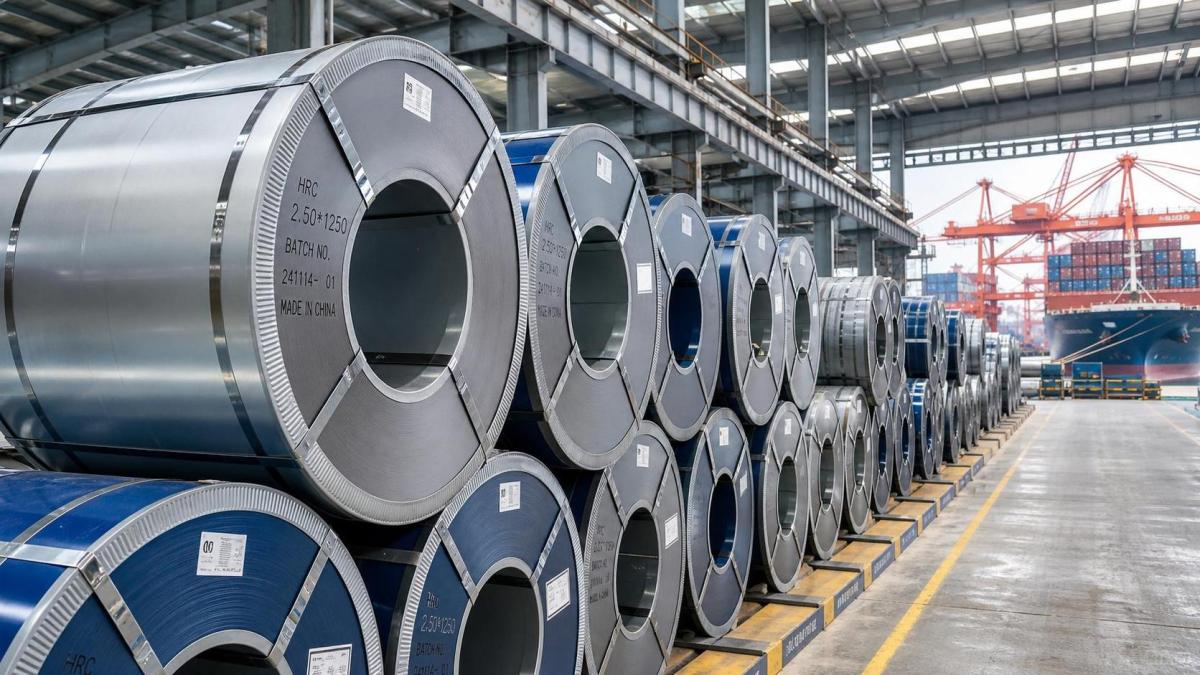
What the July 15 Notice Confirms
The confirmed facts are limited but commercially significant. According to the provided event information, the U.S. Department of Commerce issued the notice on July 15, 2026 and opened an annual New Shipper Review tied to the antidumping duty order on hot-rolled steel coil originating in China. The covered products are identified as HS 7208 and 7211.
The same notice requires exporters to submit complete export transaction information, cost structure data, and related-party statements within 14 days. The provided summary also states that this step will directly affect customs clearance timing for overseas importers' third-quarter 2026 orders, the estimation of deposit requirements, and supplier qualification review procedures.
Where the pressure is likely to show up first
Export transactions face a documentation deadline
From an industry perspective, direct trading companies are the first group likely to feel the impact because the review requirement is tied to export records, cost information, and related-party disclosure. The practical pressure point is document completeness within the 14-day period, especially where multiple entities or layered transaction arrangements are involved.
Import-side planning may become less straightforward
Overseas importers may be affected because the provided information explicitly points to customs clearance timing and deposit estimates for third-quarter 2026 orders. In business terms, this means purchasing and trade compliance teams may need to reassess timing assumptions, landed-cost planning, and supplier file checks before confirming or moving forward with shipments.
Supply chain service providers may need tighter coordination
Customs support, documentation handling, and related service workflows may also come under closer scrutiny. Analysis shows that when supplier qualification reviews are directly affected, logistics and trade service providers often become part of the operational response, particularly in collecting, organizing, and aligning transaction and declaration materials.
Downstream buyers should watch execution risk rather than only price
Processing manufacturers, distributors, and end users that rely on imported hot-rolled coil may not be the direct target of the review, but they can still be exposed through delivery timing and supplier approval processes. What deserves closer attention is whether procurement schedules and contract execution depend on shipments that now face additional document review or clearance uncertainty.
What companies should track in the coming days
Whether filing materials are complete and internally consistent
The immediate operational priority is the completeness of export transaction files, cost structure disclosures, and related-party statements. Analysis shows that this is not only a paperwork issue; it also affects how smoothly suppliers can pass qualification checks and support importer-side customs preparation.
How third-quarter orders are sequenced and communicated
For teams already working on third-quarter 2026 shipments, order sequencing matters. Observably, the issue is less about broad market interpretation at this stage and more about whether current orders rely on documents or counterparties that may now require additional review. Clear communication between exporter, importer, and service provider becomes more important under a short submission timeline.
The gap between the notice itself and actual business execution
What deserves closer attention is the distinction between the policy step that has been announced and the business consequences that will unfold through clearance, deposit planning, and supplier vetting. Companies should avoid treating the announcement as a final commercial outcome, while also avoiding the mistake of assuming it is only procedural and has no near-term execution impact.
Whether supplier qualification processes need adjustment
The provided event summary specifically mentions supplier qualification review procedures. In practice, this means buyers and importers should review whether current supplier files, declarations, and supporting materials are sufficient for internal compliance checks tied to ongoing third-quarter transactions.
Why this should be read as a live trade-compliance signal
This section is analysis. It is more appropriate to understand this development as an active compliance and transaction-management signal rather than as a completed market result. The confirmed facts show a new review has started and that exporters face a 14-day submission requirement. The commercial significance comes from the timing: the notice intersects directly with third-quarter 2026 order execution, which is why importers and suppliers are likely to focus on timing, documentation, and review readiness more than on broad market conclusions for now.
Observably, the event should not yet be read as a full long-term reset based on the information provided. At the same time, it is not merely routine background noise, because the summary clearly identifies direct effects on clearance timing, deposit estimation, and supplier qualification processes. That combination makes it a development that still requires continued observation.
How to read the current stage
At this stage, the most balanced reading is that the July 15 action creates short-term operational pressure with possible wider implications still dependent on subsequent process developments. For the industry, the significance lies in its immediate effect on documentation readiness, importer planning, and supplier review workflows tied to third-quarter 2026 business. It is more appropriate to understand this as a developing trade-compliance event that requires close follow-up, rather than a settled outcome with fully defined market consequences.
Basis of this article and follow-up points
This article is based on the user-provided news title, event date, and event summary. For this type of development, commonly relevant source categories may include official government notices, company disclosures, industry association updates, authoritative media reporting, and standard or regulatory documents. A specific official source link was not provided in the input, so the exact publication record should continue to be verified.
Further observation should focus on any subsequent official wording, changes in procedural requirements, and how the review affects actual customs timing, deposit estimation, and supplier qualification handling in ongoing third-quarter 2026 transactions.

By clicking 'Allow All', you agree to the storage of cookies on your device to enhance site navigation, analyze site usage and assist with our marketing efforts. Coo Cookie Notice
Please give us a message
SHANDONG LUBAO METAL GROUP CO., LTD.