


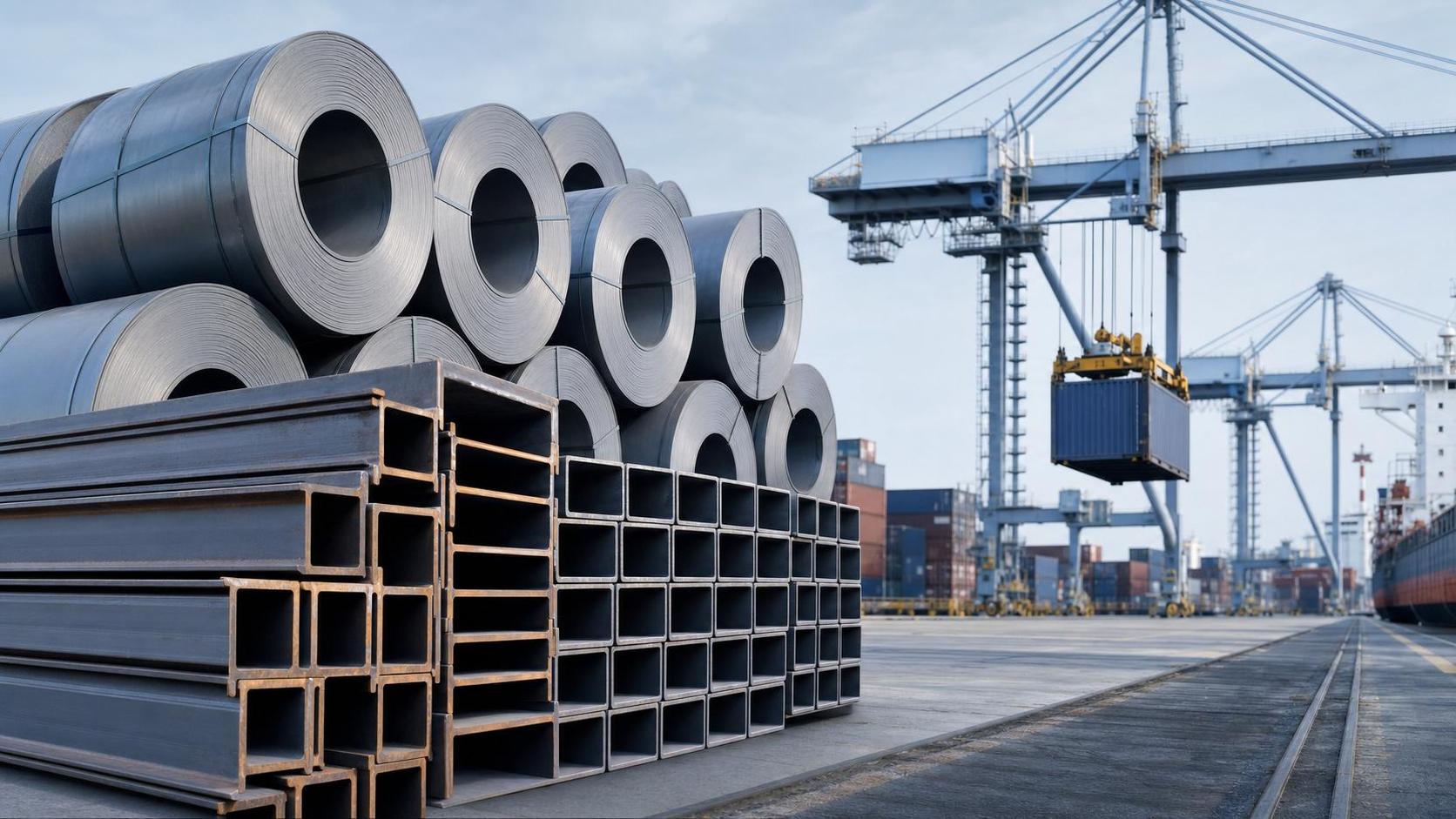
On June 26, 2026, the EU moved the CBAM transition period for steel products into a stricter reporting stage, requiring carbon emissions data to be declared for each shipment of steel and structural products exported to the bloc through the EU-MRVS system. For exporters, importers, and downstream buyers handling products such as hot-rolled coil, H-beams, and square tubes, the immediate relevance lies in customs timing, documentation readiness, compliance cost, and cargo acceptance at port.
What Has Changed in the Transition Phase
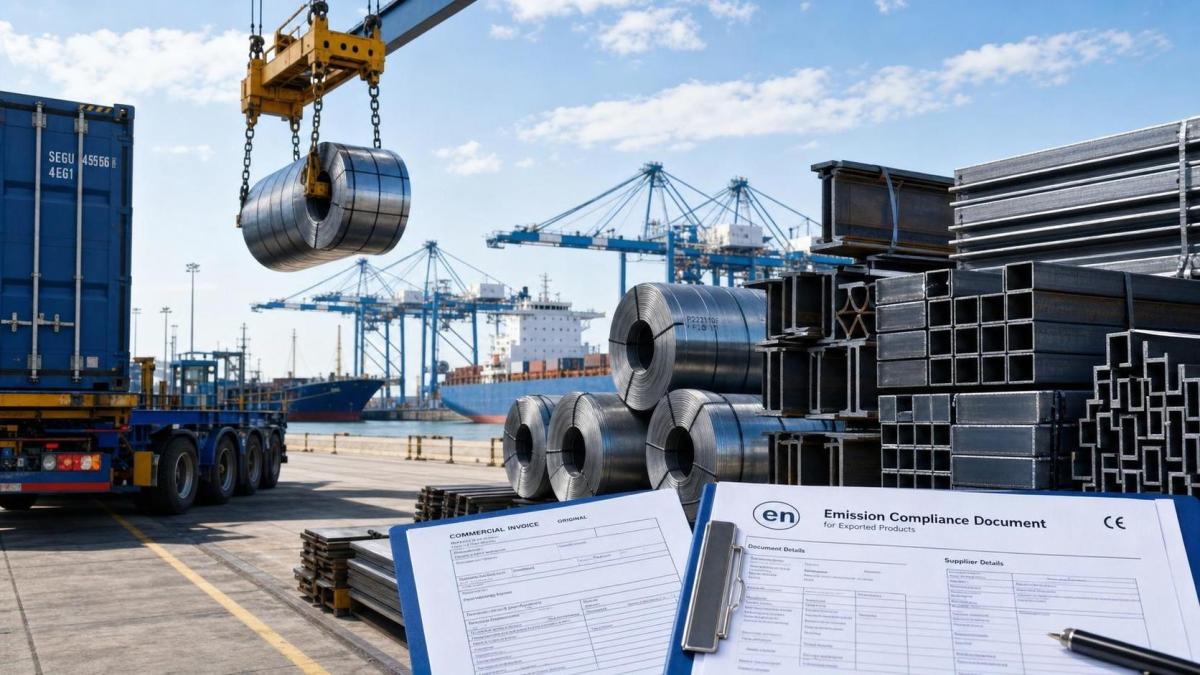
According to the provided information, from June 26, 2026, the second stage of the EU CBAM transition period applies to all steel and section products exported to the EU, including hot-rolled coil, H-beams, and square tubes. Each shipment must complete carbon emissions reporting through the EU-MRVS system. Goods that are not reported will be refused by ports. The same information also states that the requirement directly affects customs clearance timing, compliance costs, and buyer inspection procedures for Chinese exporters, while importers need to coordinate in advance with suppliers to obtain EPD documents aligned with EN 15804+A2 or ISO 14067.
Where the Pressure Will Be Felt First
Export transactions face a tighter documentation gate
From an industry perspective, direct exporters are likely to feel the impact first because the new requirement is tied to shipment-by-shipment reporting rather than broad annual preparation. This means export execution is no longer only about product delivery and customs paperwork, but also about whether emissions data is ready in a form accepted by the reporting system.
Importers must manage supplier coordination earlier
The information provided makes clear that importers need to secure EPD documents from suppliers in advance. That shifts part of the operational pressure upstream, especially in supplier communication, document collection, and pre-shipment coordination. The practical issue is not only whether a supplier can produce steel to specification, but whether the supplier can also support the documentation chain expected by the importer.
Buyer inspection workflows may become more document-driven
Analysis shows that buyer-side verification is also likely to become more sensitive to emissions records and supporting files. Where inspection previously focused more narrowly on physical product quality, delivery, and specifications, this change may add another checkpoint tied to EPD alignment and submission readiness before cargo can move smoothly through the port and clearance process.
Supply chain service providers may see more timing risk
Observably, logistics coordinators, customs-related service providers, and shipment planners may be affected through schedule uncertainty. The reason is straightforward: if reporting is incomplete, port refusal becomes a direct disruption point. In operational terms, this raises the importance of document readiness before shipment arrival rather than after exceptions appear.
What Companies Should Watch Closely Now
Whether shipment-level reporting is built into routine order handling
What deserves closer attention is the fact that the requirement applies to each batch. Companies involved in EU-bound steel trade need to treat emissions declaration as part of standard shipment preparation, not as a separate compliance task handled late in the process.
Whether EPD files match the standards requested by importers
The provided information specifically references EN 15804+A2 and ISO 14067. In practice, that means exporters and suppliers should pay attention to whether the documents being prepared actually align with the standard expected by the importer, since document format and acceptance can affect both transaction flow and buyer review.
How customer communication changes before dispatch
Analysis shows that supplier-buyer communication may need to move earlier in the order cycle. For many transactions, the key issue will not only be whether the goods are ready, but whether emissions data and supporting documents are ready early enough to avoid clearance delays or refusal at port.
The difference between a stated rule and daily execution
From an operational standpoint, companies should watch the gap between the formal requirement and actual execution in order processing, internal handoffs, and external documentation exchange. The rule itself is clear in the provided information, but day-to-day compliance depends on whether trade teams, suppliers, and importers can coordinate without creating shipment bottlenecks.
Why This Matters Beyond a Single Filing Step
Analysis shows that this development is more than a technical reporting adjustment. It indicates that carbon-related documentation is becoming a practical gate in steel trade with the EU, affecting not only compliance teams but also sales coordination, shipment preparation, and customer acceptance procedures. At the same time, it is more appropriate to understand this as an operational tightening already taking effect, rather than a distant policy signal that can be watched passively.
How the Market May Read This Stage
At this point, the clearest industry meaning is that EU-bound steel exports now face a more document-intensive execution environment under CBAM transition rules. The confirmed facts do not support broad conclusions about long-term market outcomes, but they do support a near-term conclusion: companies in the steel trade chain should treat reporting readiness, EPD coordination, and shipment-level compliance as immediate business issues rather than background policy matters.
Basis of This Article
This article is based on the user-provided news title, event date, and event summary. For this type of development, relevant source categories typically include official announcements, company notices, industry association updates, authoritative media coverage, and standard-setting organization documents. A specific official source link was not provided in the input, so the underlying wording and any later implementation updates still require continued verification. Further attention should be given to any subsequent official clarification, practical filing guidance, and documentation expectations affecting EU-bound steel shipments.

By clicking 'Allow All', you agree to the storage of cookies on your device to enhance site navigation, analyze site usage and assist with our marketing efforts. Coo Cookie Notice
Please give us a message
SHANDONG LUBAO METAL GROUP CO., LTD.