


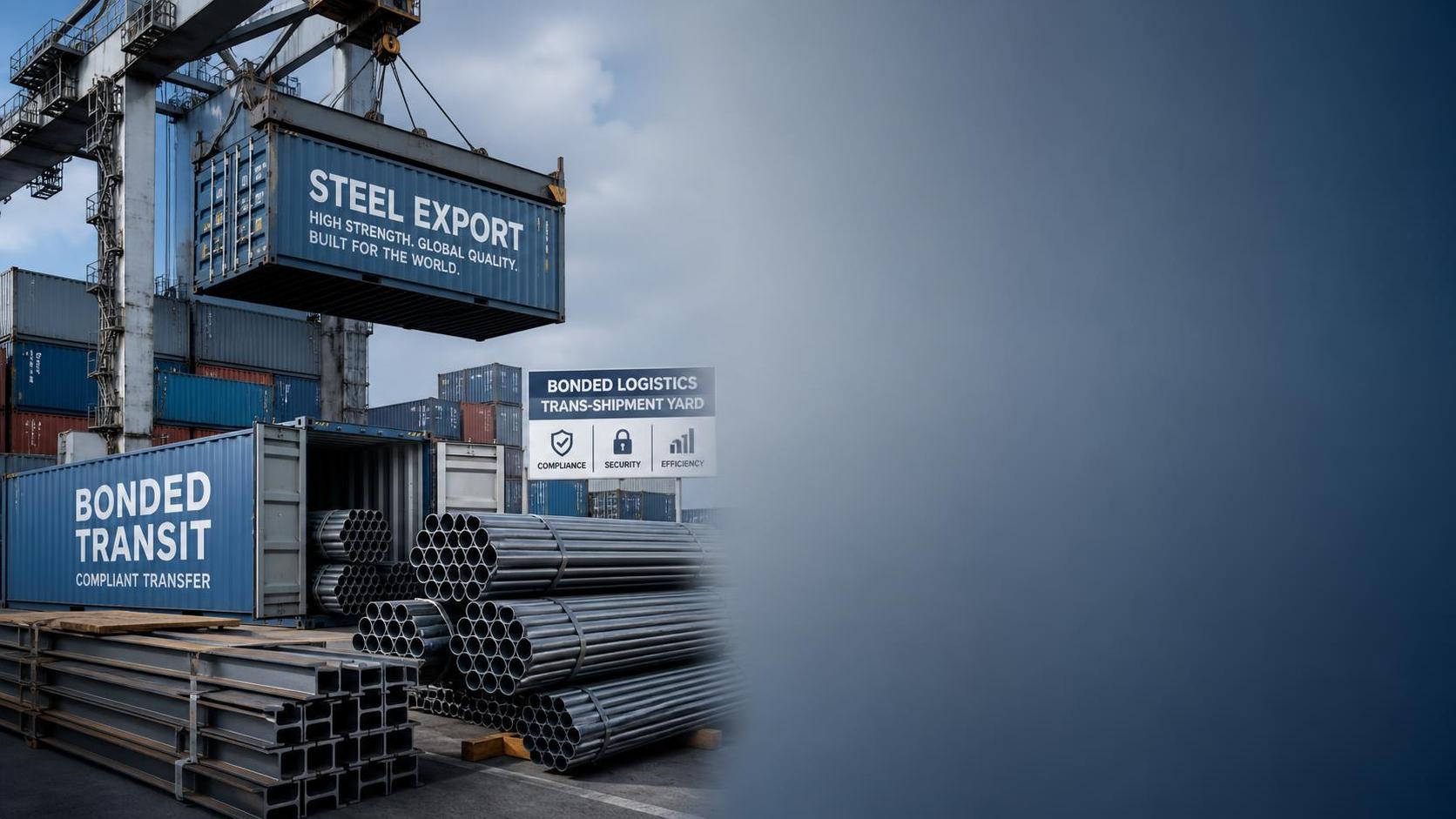
The timing of this development is not specified in the provided information, but the trade signal is clear: as anti-dumping exposure and import controls tighten for Chinese steel products in parts of ASEAN, Malaysia is increasingly being treated as a compliant routing hub for exports into the region. For steel exporters, buyers, logistics providers, and certification-related service firms, the issue is not only tariff pressure but also whether origin handling, documentation, and delivery arrangements can still support competitive market access under stricter trade conditions.
What the confirmed trade shift shows
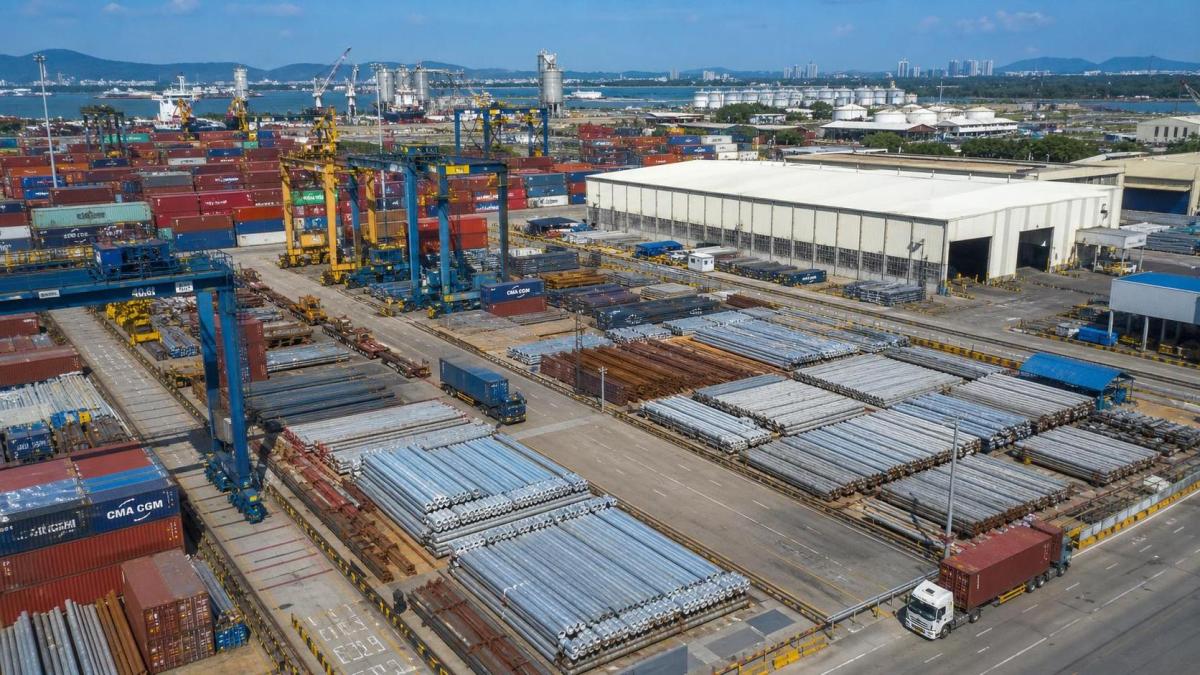
Based on the provided information, Thailand is applying anti-dumping duties of up to 66.01% on Chinese steel pipes, while Vietnam and Indonesia are tightening import policies. Against that backdrop, Malaysia is becoming an increasingly important compliant transshipment point for Chinese companies exporting steel products to ASEAN markets.
The provided summary attributes this role to Malaysia's established transshipment system, its capability in origin-related certification, and government support. It also states that bonded container switching in Kuala Lumpur and document restructuring are being used as lawful methods to avoid higher regional tariff pressure and help restore price competitiveness.
Where the pressure is likely to be felt across the trade chain
Export planning is moving closer to compliance review
From an industry perspective, direct exporters are likely to be the first group affected because tariff exposure and tighter import controls can no longer be treated as a pricing issue alone. What deserves closer attention is whether routing decisions, document preparation, and origin-related handling are aligned with the requirements of the destination market. In practical terms, this may shift more work into pre-shipment review, trade structuring, and coordination with service partners that can support compliant processing.
Procurement and delivery teams may face new documentation demands
For procurement-side organizations and buyers, the impact is likely to appear in sourcing decisions, delivery schedules, and supplier selection. Analysis shows that when import restrictions tighten, buyers may place greater weight on whether a supplier can provide stable documentation, origin-related materials, and shipment arrangements that can withstand closer scrutiny. Even where pricing improves, the ability to deliver under compliant trade terms may become the more decisive factor.
Logistics and certification-linked services gain a larger operational role
Supply chain service providers and certification-related firms may see a more central role because the reported shift depends on bonded handling, container switching, and document reconfiguration. Observably, this means operational accuracy matters more at the handoff points between warehousing, customs-facing processes, and document control. For these firms, the main issue is less about volume growth and more about whether procedures, records, and origin-related support remain consistent with lawful trade execution.
What companies should watch in current execution
Check whether origin-related materials can support the route used
Analysis shows that companies should pay close attention to how origin-related certification capacity is being used in practice. The provided information indicates that this capability is one of the reasons Malaysia is becoming important, but it does not define the detailed standards of review. That makes internal checks on certificates, trade documents, and supporting records a priority area rather than an administrative afterthought.
Track how bonded handling and document restructuring are applied
What deserves closer attention is the execution boundary of bonded container switching in Kuala Lumpur and document restructuring. The summary describes these as lawful tools, but it does not provide the detailed operating conditions behind them. Companies involved in exports, purchasing, or supply chain coordination should therefore monitor how these processes are described by counterparties and how they are reflected in transaction records and shipping files.
Prepare for market-by-market differences in import control intensity
From an industry perspective, the current signal is not a uniform regional rule change but a sharper compliance environment across selected markets. That means exporters and distributors should pay attention to which product categories, delivery routes, and customer requirements face tighter review. It is more appropriate to understand this as a need for market-specific execution discipline rather than a single response that fits all ASEAN destinations.
Keep quality traceability aligned with trade documentation
Where route changes and document changes become more important, after-sales support and quality traceability can also become more sensitive. Analysis shows that companies should make sure shipment records, technical files, and product traceability remain coherent across the trade chain. The provided information does not indicate any specific new technical standard, so the current focus is on consistency and defensibility of records rather than on a newly confirmed product rule.
Why this looks more like an execution signal than a finished rule outcome
Observably, this development reflects a live response to higher anti-dumping costs and tighter import administration rather than a simple logistics preference. It suggests that Malaysia's role is being shaped by practical compliance capacity: transshipment infrastructure, origin-related certification support, and government backing. At the same time, the available information does not establish a final or comprehensive regulatory endpoint.
It is more appropriate to understand this as an execution signal with ongoing compliance implications. The trade route appears to be gaining importance because it can support lawful tariff management and restore pricing competitiveness, but the longer-term weight of this channel will still depend on how rules are interpreted, how documents are reviewed, and how market participants respond in actual transactions.
How the market should read this development for now
For the steel trade, the immediate significance lies in the fact that routing, documentation, and certification capability are becoming more closely tied to commercial viability in ASEAN-facing exports. This is not just a freight adjustment; it reflects how policy pressure in one part of the region can reorganize execution choices across the supply chain.
From a neutral industry reading, the current information is best understood as a practical compliance and trade-structure shift rather than a fully settled policy conclusion. Companies should read it as a sign that lawful transshipment capacity and document readiness now matter more in maintaining access and pricing discipline under tighter regional trade conditions.
Basis of this article and what still needs verification
This article is based on the user-provided news title, event timing, and event summary. The specific official source links were not provided in the input, so they still need to be verified on an ongoing basis. For developments of this type, relevant source categories typically include official notices, regulator releases, customs or trade authority information, industry association materials, standard-setting documents, and reporting by authoritative media.
Further observation is still needed on detailed policy wording, certification review practices, bidding and procurement document changes, market feedback, and how companies are executing these arrangements in practice. Because the timing was not specified in the provided information, this article should be read as a structured industry analysis based only on the confirmed facts supplied in the input.

By clicking 'Allow All', you agree to the storage of cookies on your device to enhance site navigation, analyze site usage and assist with our marketing efforts. Coo Cookie Notice
Please give us a message
SHANDONG LUBAO METAL GROUP CO., LTD.