


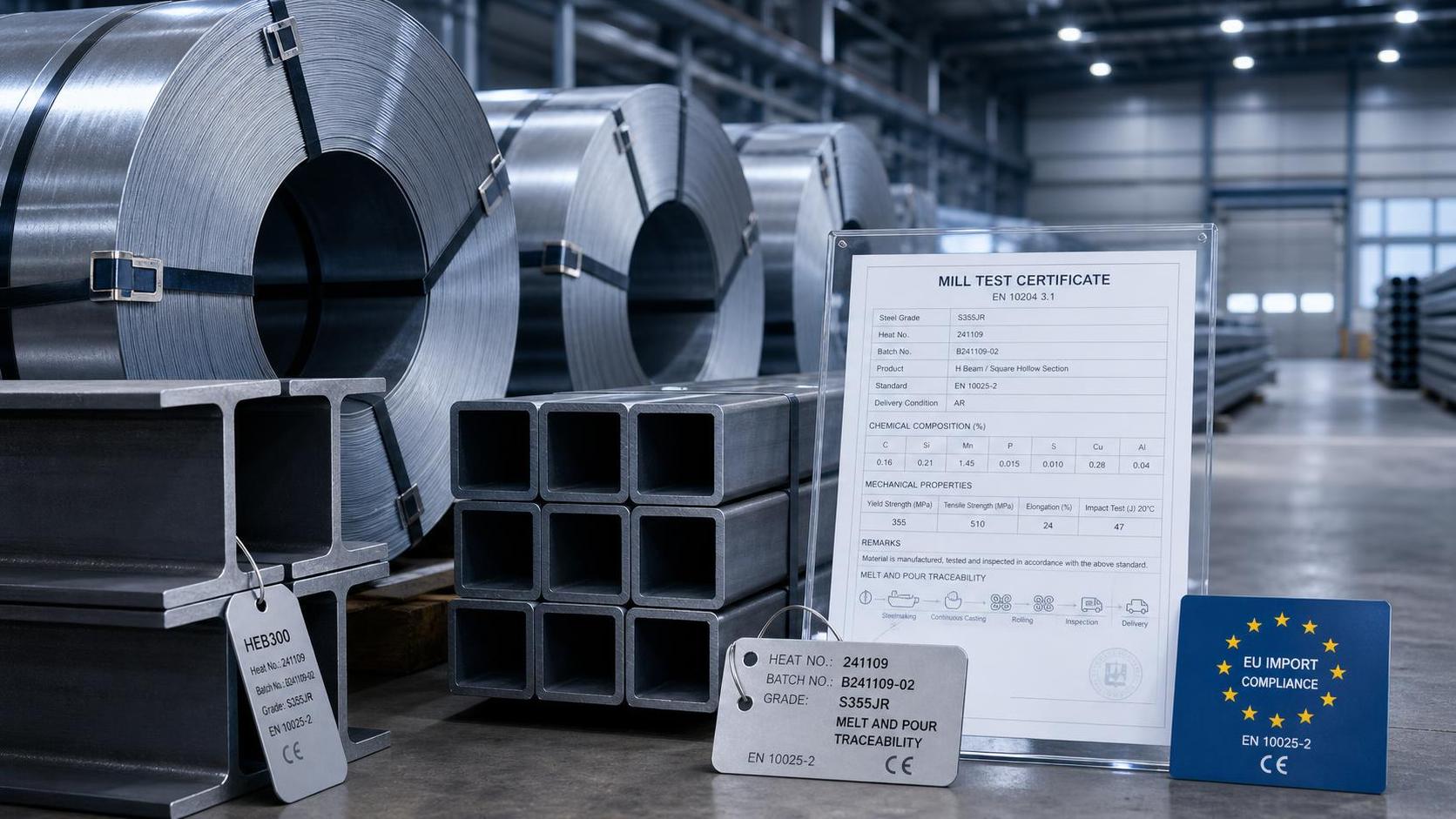
On July 1, 2026, EU Regulation (EU) 2026/1384 entered into full effect, bringing a new origin-tracing rule into steel imports by applying the "melt and pour" standard. From October 1, importers will be required to provide traceability documents such as mill test certificates. For exporters, importers, traders, processors, and supply chain teams handling steel shipments into the EU, this is not simply a documentation update; it changes how origin is judged and why proof of production history now matters more directly in compliance and delivery planning.
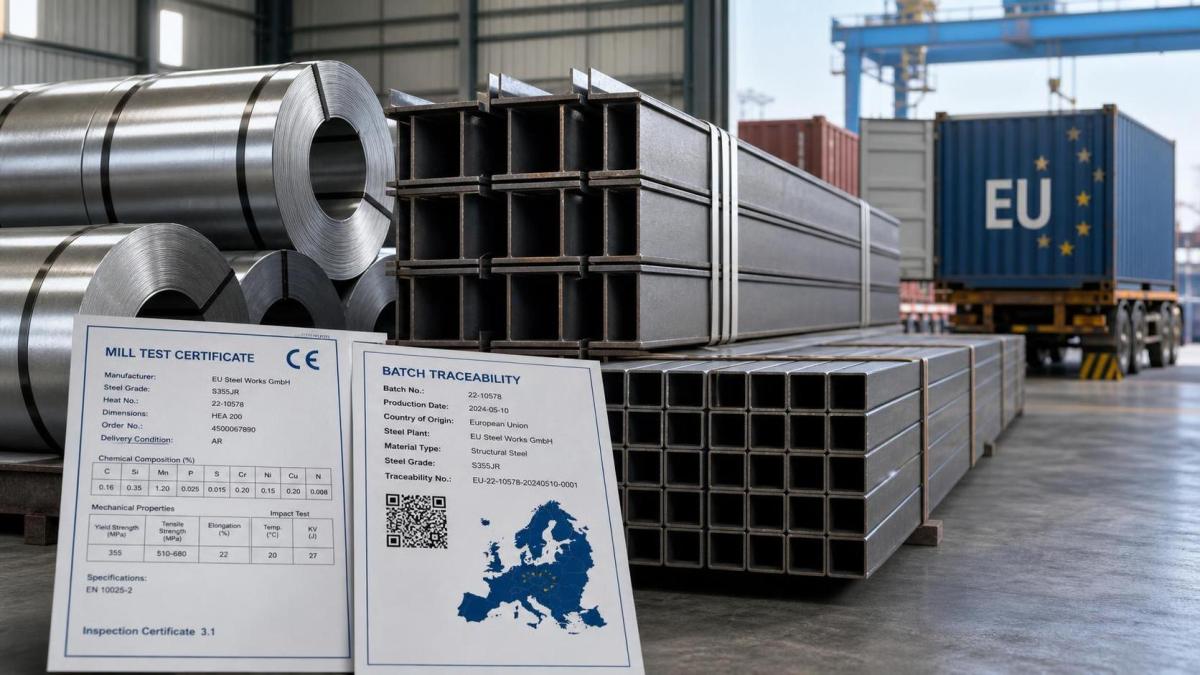
What the rule now requires
The confirmed change is that Regulation (EU) 2026/1384 has been fully implemented as of July 1, 2026. The rule introduces the "melt and pour" standard for determining the origin of steel products. It also requires all importers, starting on October 1, to submit traceability materials including steel mill quality certificates. Based on the information provided, this change directly affects the compliance path for Chinese steel exports to the EU and creates a substantive barrier for trade structures that rely on simple processing in a third country before re-export.
Where the pressure is likely to appear first
Export transactions tied to EU market access
From an industry perspective, exporters shipping steel into the EU are likely to face the most immediate impact because the rule changes the basis on which origin is assessed. The practical effect is likely to appear in pre-shipment compliance review, contract documentation, and the ability to support origin claims with traceable production records rather than relying only on later-stage processing arrangements.
Trading and routing models involving third-country processing
Analysis shows that businesses using simple processing in a third country before export to the EU should pay especially close attention. The information provided indicates that this model now faces a substantive barrier under the new rule. That means trade planning, routing logic, and supporting origin files may need closer review where prior business arrangements depended on processing outside the original melt-and-pour source.
Import and procurement teams handling supplier qualification
Importers and procurement functions are also likely to be affected because the October 1 documentation requirement shifts more responsibility onto document collection and supplier traceability. What deserves closer attention is whether upstream suppliers can provide mill-level proof that aligns with the new origin standard, since gaps in supporting paperwork could affect customs handling, purchasing decisions, or delivery scheduling.
Supply chain and delivery coordination
Observably, supply chain service providers and delivery teams may need to adjust around documentation readiness as well as cargo movement. Even where goods are physically available, the new rule suggests that document completeness will become more closely tied to whether shipments can move through the compliance process without disruption.
What companies should review now
Traceability files should be checked against the new origin test
Analysis shows that companies should focus first on whether existing traceability materials actually support a "melt and pour" origin determination. The issue is not only whether documents exist, but whether they connect the product back to the steelmaking source in a way that matches the new requirement.
Supplier documents may become a gating item
What deserves closer attention is the availability and consistency of mill certificates and related supporting records ahead of the October 1 importer deadline. Where documentation is incomplete, late, or inconsistent across suppliers and intermediaries, companies may face compliance uncertainty even before any shipment reaches the delivery stage.
Trade structures relying on simple processing need re-examination
From an industry perspective, firms using third-country processing routes should reassess whether those arrangements still support EU-bound trade under the revised origin framework. The information provided does not define all execution details, so this should be understood as a compliance review priority rather than a statement of final enforcement outcomes.
Watch for execution language and buyer-side document demands
Because the provided information confirms the rule change and the upcoming document requirement but does not include fuller implementation detail, companies should continue monitoring how the requirement is reflected in formal import processes, procurement specifications, tender documents, and buyer requests. It is more appropriate to understand this as an area requiring ongoing verification rather than a settled operational picture.
Why this looks like an execution signal, not just a policy headline
Analysis shows that this development is better understood as a rule already moving into operational use rather than a distant policy proposal. The July 1 implementation date and the October 1 documentation requirement indicate that the issue is no longer abstract for market participants serving the EU steel trade. At the same time, observably, the market still needs to watch how documentation expectations, review standards, and commercial responses develop in practice.
How to read the change at this stage
The most balanced reading is that the EU has introduced a more production-linked method of determining steel origin, and that this has immediate relevance for compliance design, supplier documentation, and trade routing into the EU market. It would be premature to claim a uniform market outcome from the information available, but it is reasonable to treat this as a live compliance change with direct implications for exporters and importers that depend on traceable proof of origin.
Basis of this article and points still to verify
This article is based on the user-provided news title, event date, and event summary. For developments of this type, relevant source categories typically include official announcements, regulatory publications, customs or trade authority notices, industry association updates, standard-setting documents, and reporting by established industry media. A specific official source link was not provided in the input, so the underlying text and any later implementation detail still require continued verification. What should continue to be monitored includes further policy detail, certification or compliance interpretation, changes in tender or procurement documents, market feedback, and how companies implement the new traceability requirement in practice.

By clicking 'Allow All', you agree to the storage of cookies on your device to enhance site navigation, analyze site usage and assist with our marketing efforts. Coo Cookie Notice
Please give us a message
SHANDONG LUBAO METAL GROUP CO., LTD.