


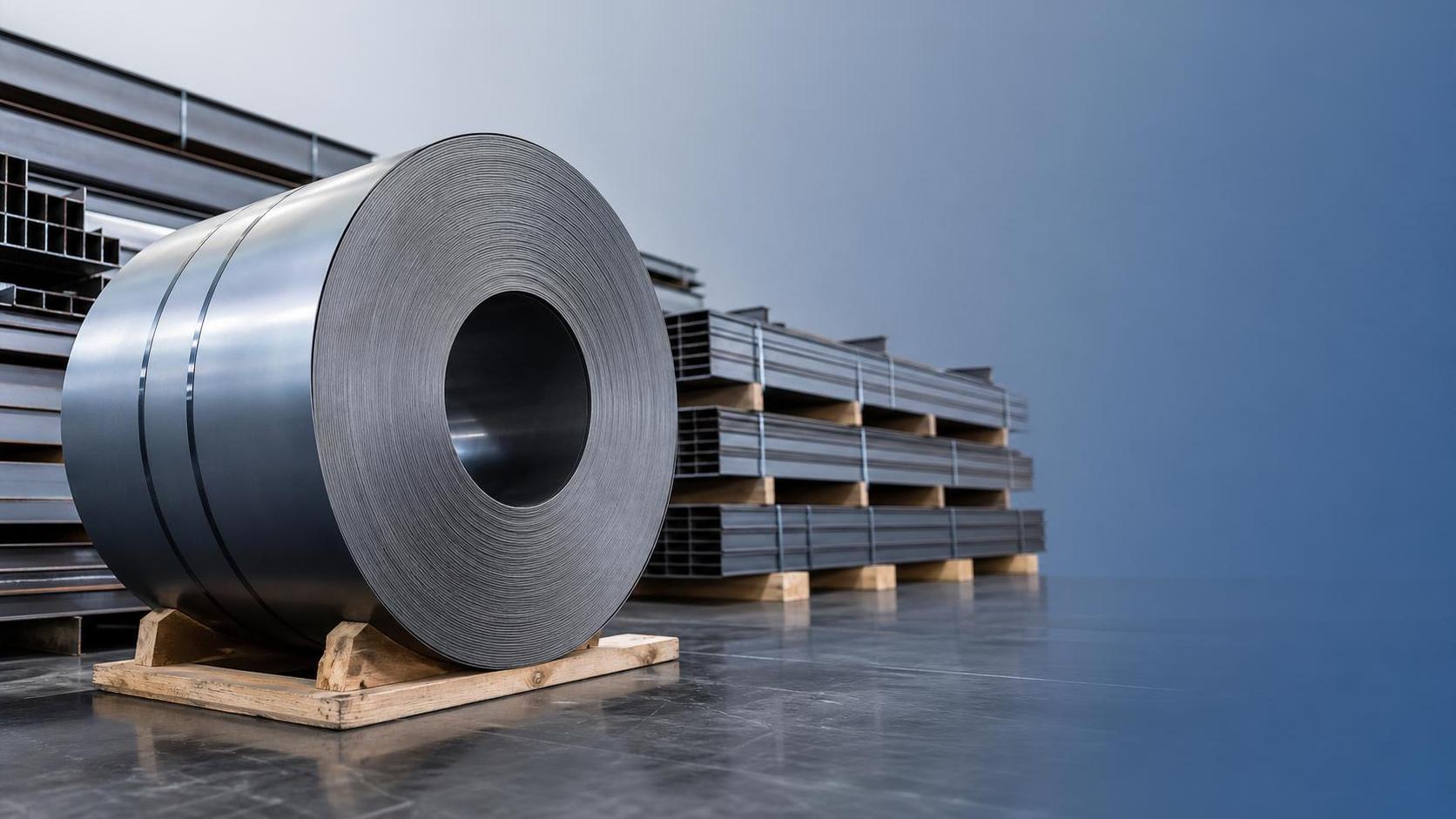
On July 21, 2026, the U.S. Department of Commerce announced the start of an annual anti-dumping review covering hot-rolled steel coil (HR Coil) from China and, for the first time, brought three Chinese producers not named in the original investigation into the review scope. For exporters, U.S. importers, overseas distributors, and procurement teams, the development matters because it may affect applicable duty treatment, export planning, and customs compliance steps tied to supplier qualification and supporting documents.
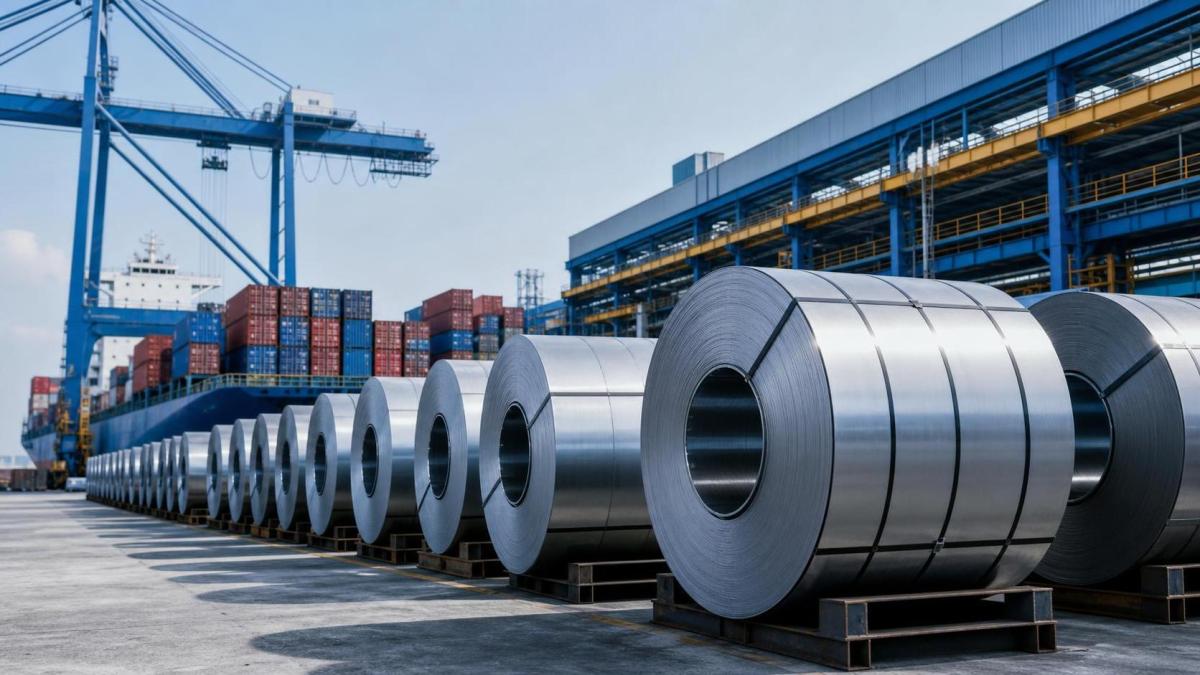
What the announcement confirmed
The confirmed facts are limited but commercially significant. The review was launched by the U.S. Department of Commerce on July 21, 2026, and it concerns the anti-dumping duty order on HR Coil originating in China. The notice also newly includes three Chinese manufacturing companies that were not listed in the original investigation. According to the provided summary, this may affect export quota arrangements, the application of duty rates, and the compliance process for U.S. import customs clearance.
The same summary also indicates that overseas distributors and buyers need to reassess supplier qualifications and document readiness, with particular attention to the completeness of certificates of origin and cost-structure records.
Where the immediate pressure points may appear
Supplier screening moves closer to the transaction stage
From an industry perspective, trading companies, overseas distributors, and procurement teams may feel the impact first because supplier onboarding and order confirmation often depend on whether a producer can meet documentary and compliance requirements. In this case, the inclusion of newly reviewed Chinese producers raises the practical importance of verifying supplier status before shipment rather than after goods are already moving.
Customs and import compliance may require tighter file control
For U.S. importers and supply chain service providers, the issue is not only tariff exposure but also documentation consistency during customs clearance. Analysis shows that where a review affects duty treatment or qualification assessment, the operational burden often shifts to document matching, origin support, and internal traceability. Based on the provided information, certificates of origin and cost-structure documents are the most visible checkpoints to monitor.
Export planning and order execution may need adjustment
Chinese exporters and manufacturers involved in HR Coil shipments to the U.S. market may need to pay closer attention to how the review scope intersects with delivery timing, customer communication, and shipment preparation. What deserves closer attention is that even without a confirmed final outcome at this stage, review activity can still influence how counterparties evaluate supply continuity and transaction risk.
Operational issues companies should review now
Track follow-up wording from the authorities
Companies linked to HR Coil trade with the U.S. should closely monitor subsequent official wording tied to the annual review, especially any clarification that affects how the newly added producers are treated in practice. The key point is to distinguish between the fact of review initiation and any later determinations that may alter actual business handling.
Recheck origin and cost documentation before shipment
The most concrete near-term task is document readiness. Exporters, distributors, and importers should review whether certificates of origin, supplier files, and cost-structure records are complete, internally consistent, and easy to retrieve. This is particularly relevant where customs compliance depends on document accuracy across multiple parties.
Reassess supplier qualification standards
Overseas buyers and distributors may need to revisit how they approve or retain HR Coil suppliers connected to China-origin products. Analysis shows that a review involving newly added producers can change the level of scrutiny applied during procurement, even before any later-stage conclusions are known.
Prepare for customer and partner communication
Commercial teams should be ready to answer practical questions from importers, agents, and downstream customers about shipment documentation, supplier identity, and compliance support. In many cases, transaction friction comes less from the announcement itself than from unclear responsibility for preparing and validating the required paperwork.
How this should be read at this stage
Observably, this is best understood as an active regulatory development rather than a final market result. The confirmed event is the launch of the review and the inclusion of three additional Chinese producers. The broader business significance lies in the compliance signal: parties in the HR Coil trade chain are being pushed to examine supplier status and paperwork discipline more closely.
It is more appropriate to understand this as a short-term operational trigger with possible longer-term implications, rather than as a completed policy outcome. The reason the market still needs to watch it is that the current notice points to process risk and eligibility review, while the eventual commercial effect depends on how later procedural steps develop.
Why the market should keep watching
This update matters because it combines two elements that directly affect execution risk: a formal annual anti-dumping review and the first-time inclusion of three previously unlisted Chinese producers. For the industry, the immediate takeaway is not to assume a uniform impact across all transactions, but to recognize that supplier verification, document completeness, and customs handling may now require a higher level of control.
A neutral reading is that the development should currently be treated as a compliance-sensitive trade signal. It does not by itself establish a final commercial outcome, but it does justify closer monitoring by exporters, importers, distributors, and procurement teams handling HR Coil business linked to the U.S. market.
Basis of this article and what remains to be verified
This article is based on the user-provided news title, event date, and event summary. For this type of development, commonly relevant source categories may include official government notices, company disclosures, industry association updates, authoritative media reporting, and related trade or standards documentation.
No specific official source link was provided in the input, so the precise official document path still needs continued verification. Follow-up attention should focus on later official statements, any procedural clarification affecting the newly added producers, and any practical compliance changes that importers, distributors, or suppliers need to implement.

By clicking 'Allow All', you agree to the storage of cookies on your device to enhance site navigation, analyze site usage and assist with our marketing efforts. Coo Cookie Notice
Please give us a message
SHANDONG LUBAO METAL GROUP CO., LTD.