


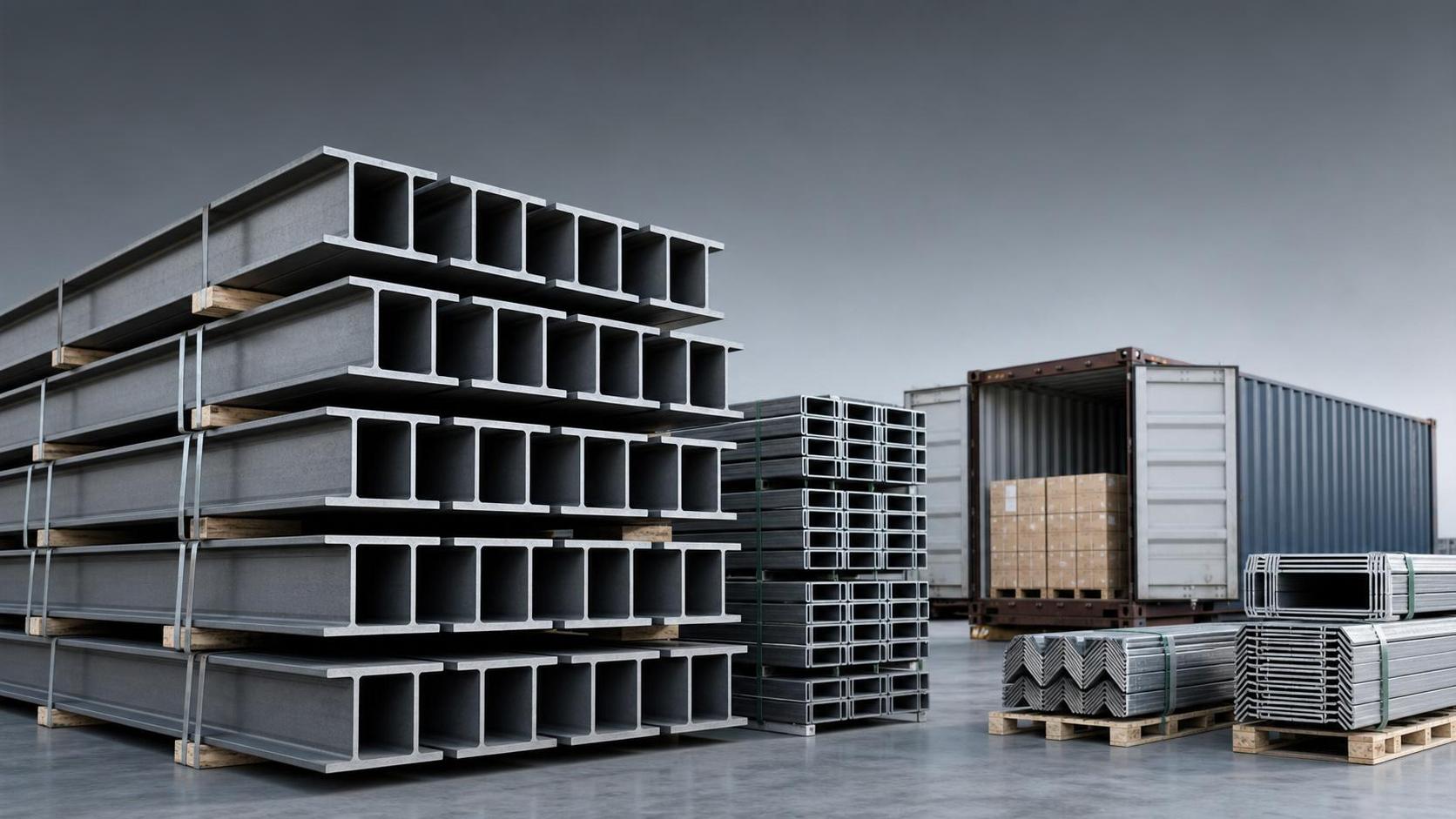
On July 1, 2026, the EU Carbon Border Adjustment Mechanism (CBAM) formally brought major structural steel sections, including hot-rolled H-beams and cold-formed light gauge sections, into mandatory emissions reporting and embedded carbon accounting. For importers, exporters, and supply-chain partners serving the EU market, the development is worth close attention because it shifts carbon compliance from a background policy issue into a customs-linked operational requirement.
What Has Entered Mandatory Scope
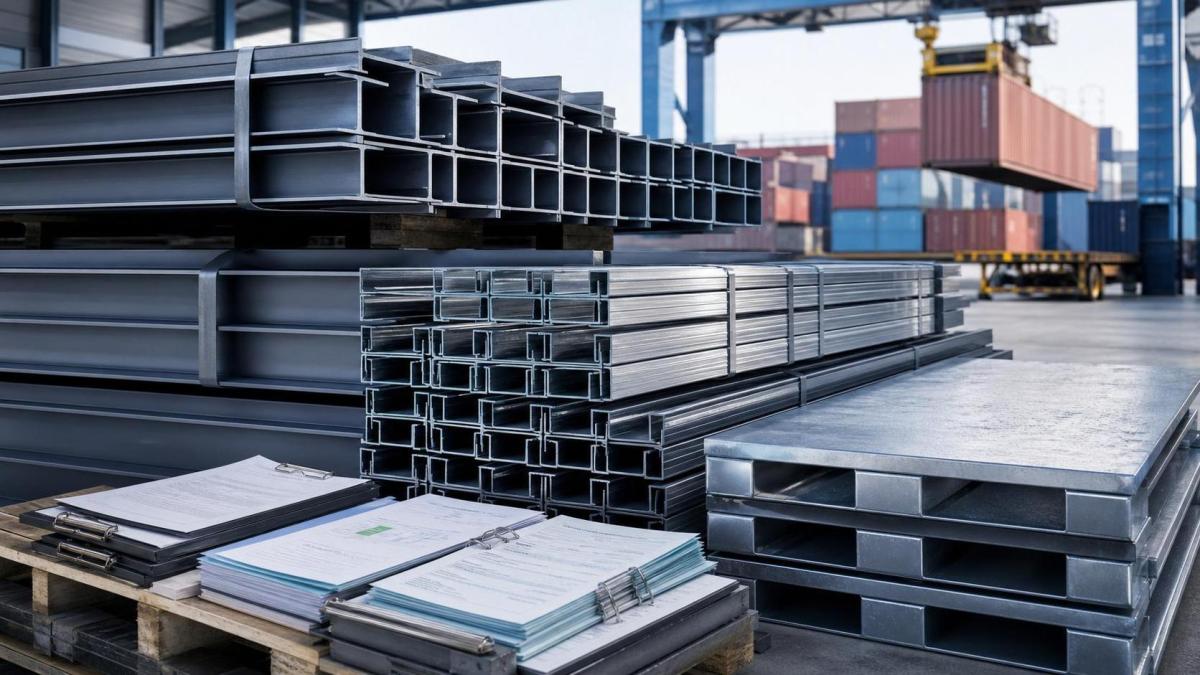
According to the information provided, from July 1, 2026, the EU requires imported structural sections such as hot-rolled H-beams and cold-formed light steel sections to be included in compulsory declaration and embedded carbon emissions accounting under CBAM. Importers must submit carbon emissions data verified by an accredited third party before customs clearance and must also pre-purchase CBAM certificates. The measure directly affects supply-chain costs and compliance procedures for major exporting countries to the EU, including China, Turkey, and Vietnam.
Where the Immediate Pressure Is Likely to Appear
Export transactions linked to EU buyers
From an industry perspective, companies directly exporting steel sections to the EU may be affected first because the new requirement is tied to declaration, verification, and customs handling. The main pressure point is no longer only product delivery, but whether emissions data can be prepared and aligned with buyer and importer requirements in time.
Import-side compliance and customs preparation
EU importers are likely to face the most immediate procedural burden because they must submit verified carbon data before clearance and pre-purchase CBAM certificates. What deserves closer attention is the coordination between documentation, verification timing, and customs processes, since any mismatch in these steps could affect transaction execution and delivery rhythm.
Producers and processors in exporting countries
Analysis shows that mills and processing enterprises supplying covered steel sections may come under greater requests for emissions-related documentation from customers and trading partners. The impact is likely to be felt in data preparation, third-party verification support, and coordination with downstream exporters rather than only in manufacturing itself.
Logistics and supply-chain service providers
Supply-chain intermediaries, including traders and service providers involved in cross-border execution, may also need to adjust workflows. Observably, once carbon accounting becomes part of the import process, shipment planning, document handover, and communication among exporter, importer, and verifier become more sensitive operational points.
What Companies Should Watch Now
Whether covered product lines are clearly mapped
Companies shipping structural steel products to the EU should first identify whether their exported sections fall within the newly enforced accounting scope described in the input information. In practical terms, the first task is product mapping rather than broad policy discussion.
Readiness of verified emissions documentation
Because the requirement specifically refers to carbon data verified by an accredited third party, firms should pay attention to whether current internal records, supplier data, and document workflows can support that verification step. This is not merely a reporting issue; it affects the ability of the importer to complete customs-related procedures.
Commercial coordination with EU importers
What deserves closer attention is the commercial interface between exporter and importer. Since importers must pre-purchase CBAM certificates, cost allocation, data responsibility, and timing expectations may become subjects of contract discussion or customer communication even where shipment terms previously seemed routine.
Follow-up clarification and implementation detail
Analysis shows that businesses should continue watching for any official clarification on how the requirement is applied in practice at the product, declaration, and verification levels. The policy signal is already clear in scope and direction, but day-to-day execution often depends on procedural detail.
Why This Looks Like More Than a Short-Term Adjustment
Observably, this development should not be read only as a single-date compliance update. It is more appropriate to understand this as a concrete operational step showing that carbon accounting is becoming part of normal market access conditions for covered steel products entering the EU. At the same time, this article does not treat all downstream effects as settled facts; cost pass-through, process adaptation, and customer responses still require continued observation.
A Practical Reading of the Signal
For the steel sections trade, the July 1, 2026 implementation date marks a clear compliance threshold rather than a purely symbolic policy statement. A neutral reading is that the immediate issue is procedural readiness, while the broader significance lies in how carbon data, third-party verification, and certificate pre-purchase are becoming part of transaction execution for EU-bound imports. At present, it is more appropriate to understand this as both an active short-term operational change and a longer-term signal for supply-chain governance.
Basis of This Article
This article is based on the user-provided news title, event date, and event summary. For developments of this kind, relevant source categories usually include official announcements, company disclosures, industry association information, authoritative media reporting, and standards-related documents. No specific official source link was provided in the input, so the exact official documentation still needs to be continuously verified. Follow-up attention should remain on official implementation wording, verification practice, and any additional procedural clarification related to covered imported steel sections.

By clicking 'Allow All', you agree to the storage of cookies on your device to enhance site navigation, analyze site usage and assist with our marketing efforts. Coo Cookie Notice
Please give us a message
SHANDONG LUBAO METAL GROUP CO., LTD.