


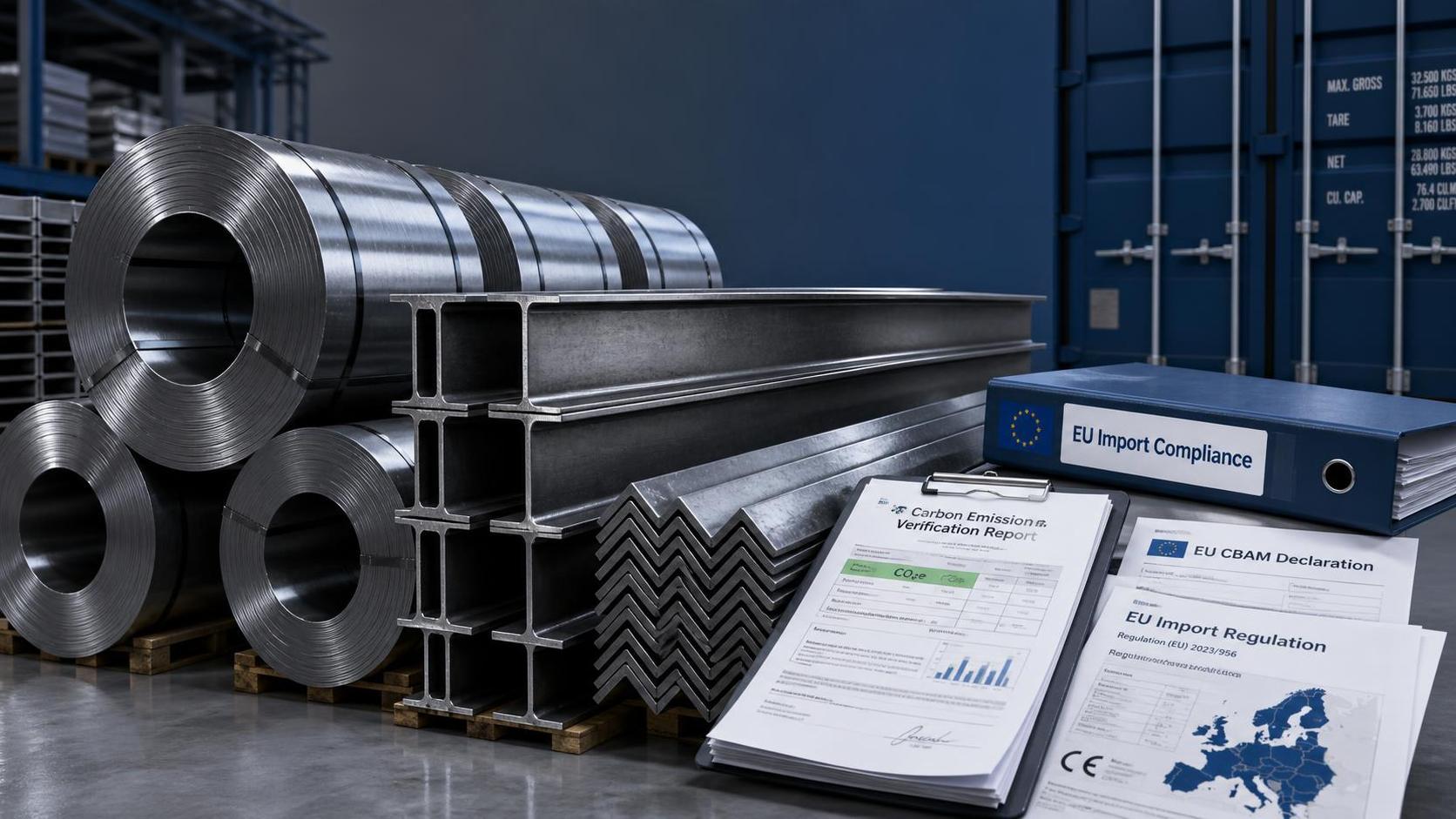
On August 10, 2026, the European Commission formally moved into phase three of CBAM import reporting for steel products, bringing quarterly embedded carbon disclosure and advance CBAM certificate purchases into the routine compliance flow for importers of hot-rolled coils, H-beams, angle steel, other basic sections, and semi-finished steel entering the EU. For steel traders, overseas distributors, importers, and upstream mills supplying the European market, this is a development worth close attention because it links carbon reporting directly to purchasing cost, customs timing, and supplier eligibility.
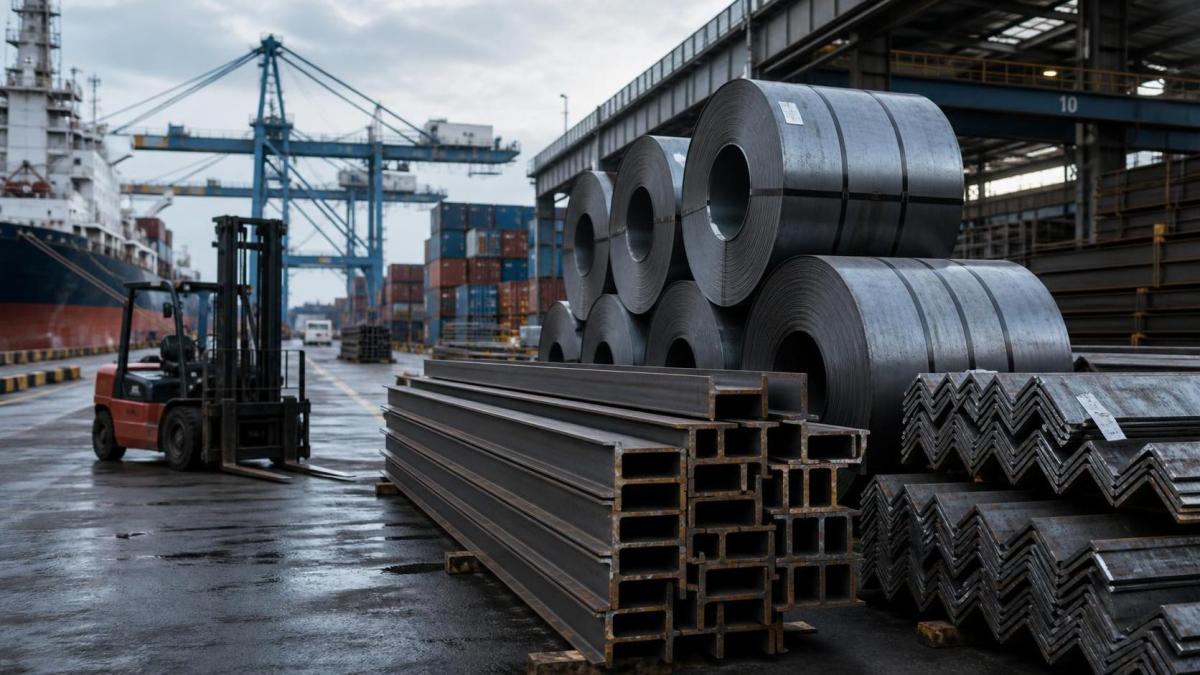
What Has Entered into Effect
According to the information provided, phase three of the EU CBAM mechanism was fully launched on August 10, 2026. From that date, importers bringing covered steel products into the EU are required to submit quarterly data on embedded carbon emissions through the CBAM system and pre-purchase the corresponding quantity of CBAM certificates.
The scope described in the provided information includes hot-rolled coils, H-beams, angle steel, other basic structural sections, and semi-finished steel products imported into the EU. The same information also states that the mechanism has a direct effect on procurement cost, customs clearance timing, and supplier qualification status.
The event summary further indicates that overseas distributors and importers need to immediately assess two practical issues in relation to Chinese steel mills: the mills' ability to disclose carbon data and the progress of cooperation with third-party verification bodies.
Where the Pressure Is Likely to Appear First
Import compliance is becoming a front-end commercial issue
From an industry perspective, EU importers are likely to feel the most immediate impact because the reporting obligation and certificate pre-purchase requirement now sit inside the import process itself. The main pressure points are likely to appear in quarterly filing preparation, cost calculation, and clearance scheduling. What deserves closer attention is whether embedded carbon data can be collected in time and translated into usable CBAM filings without disrupting shipment cycles.
Distributors face tighter supplier screening
Overseas distributors handling covered steel products may be affected because supplier choice is no longer only about price, grade, and delivery. Based on the provided information, supplier access is directly tied to carbon data disclosure capability and verification readiness. In practice, distributors will need to watch whether upstream mills can provide the required information consistently enough to support continued market access into the EU.
Chinese mills are now being judged on disclosure readiness
For Chinese steel mills serving EU-bound business, the issue is not only production and shipment but also whether embedded carbon data can be disclosed in a form that importers can use. Analysis shows that a mill's position in the supply chain may increasingly depend on how quickly it can support importer reporting needs and how far it has progressed in working with third-party verification.
Supply chain service providers may see timing risks increase
Service providers involved in documentation, customs coordination, and delivery planning may also be affected because customs timing is identified in the provided information as one of the direct areas of impact. Observably, any delay in carbon data readiness or certificate preparation could create knock-on effects in shipment handover, document flow, and customer communication, even where the physical goods themselves are ready to move.
Operational Priorities for Companies Right Now
Check whether product coverage matches current EU-bound orders
Companies trading in hot-rolled coils, H-beams, angle steel, basic sections, and semi-finished steel should review current and upcoming EU-bound orders against the covered product categories described in the event summary. The practical point is to identify which transactions now fall under quarterly emissions reporting and certificate pre-purchase obligations.
Verify whether supplier carbon data can support quarterly filing
The immediate operational question is whether upstream suppliers, especially Chinese mills mentioned in the provided information, can disclose embedded carbon data in a timely and usable way. Businesses should pay attention to data completeness, reporting cadence, and whether the information can move through internal procurement and compliance teams without creating filing gaps.
Track progress on third-party verification cooperation
The event summary specifically highlights third-party verification cooperation as an urgent area for assessment. For importers and distributors, this means supplier review should not stop at a general statement of readiness. What deserves closer attention is whether verification cooperation is progressing in a way that supports ongoing CBAM system submissions and avoids disruption to supplier qualification.
Prepare for cost and lead-time discussions with customers
Since the provided information states that procurement cost and customs clearance timing are directly affected, companies should treat customer communication as part of compliance preparation. This is less about broad policy commentary and more about handling order pricing, shipment planning, and delivery expectations where CBAM-related obligations may now alter the transaction timetable.
Why This Reads as More Than a Procedural Update
Analysis shows that this development should not be read as a routine filing adjustment. The important signal is that carbon disclosure and certificate purchasing are now embedded in the actual import process for covered steel products entering the EU. That changes the practical threshold for staying in the market: product availability alone is no longer enough if reporting inputs and verification support are weak.
At the same time, it is more appropriate to understand this as an operationally decisive stage rather than a fully settled endpoint. The confirmed facts show that obligations are now active and commercially relevant, but the broader business effect will still depend on how consistently importers, distributors, and mills can execute the required data and certificate workflow in live transactions.
How the Market May Need to Read This Stage
In summary, the start of CBAM phase three filing for steel imports marks a concrete tightening of the link between carbon compliance and cross-border steel trade into the EU. The immediate significance lies in execution: quarterly emissions reporting and advance certificate purchases now matter for cost, clearance, and supplier access.
A neutral reading is that this is both a near-term operating change and a longer-term market signal. In the short term, companies need to focus on filings, supplier data, verification progress, and order execution. In the longer view, it is more appropriate to understand this as a sign that carbon-related compliance is becoming part of routine commercial qualification in EU steel trade.
Basis of This Article and What Still Needs Verification
This article is based on the user-provided news title, event date, and event summary concerning the European Commission's formal implementation of phase three CBAM import reporting for steel products on August 10, 2026. The analysis above separates confirmed facts from industry observation and does not add unverified data, company names, policy numbers, or market figures.
For developments of this type, relevant source categories would typically include official announcements, company disclosures, industry association updates, authoritative media reporting, and standards or compliance-related documents. A specific official source link was not provided in the input, so the exact wording and any later implementation updates still require ongoing verification. Continued attention should be paid to any subsequent official clarifications, scope interpretations, filing details, and practical compliance guidance affecting covered steel imports.

By clicking 'Allow All', you agree to the storage of cookies on your device to enhance site navigation, analyze site usage and assist with our marketing efforts. Coo Cookie Notice
Please give us a message
SHANDONG LUBAO METAL GROUP CO., LTD.