



On August 9, 2026, the U.S. Department of Commerce announced an expedited sunset review of the antidumping duty order covering hot-rolled steel products from China and indicated that the current duty levels, reaching as high as 203.7%, will remain in place. For market participants, this is not just a procedural update: it directly affects import clearance costs, sourcing compliance, and supply substitution decisions over the coming years, with particular relevance for distributors and contractors handling structural sections such as H-beams and I-beams.
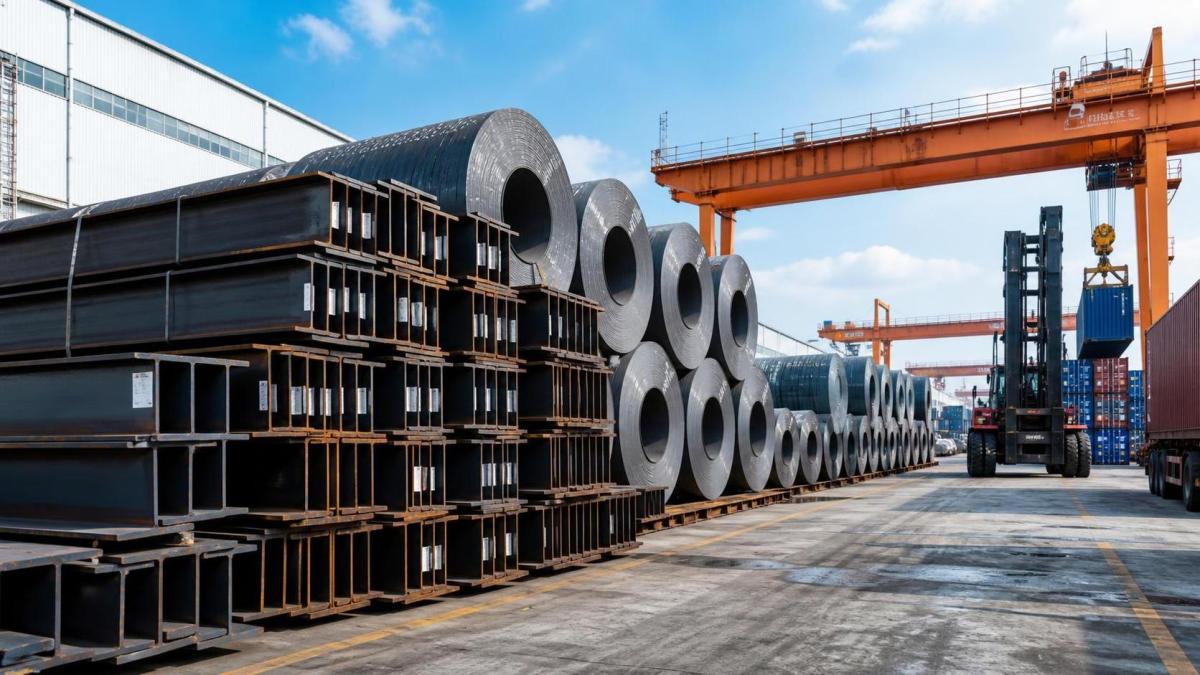
What the announcement confirms
The confirmed facts are limited but commercially significant. The action was announced on August 9, 2026 by the U.S. Department of Commerce. It concerns the first expedited sunset review of the antidumping duty order on hot-rolled steel products originating in China. The review outcome, as described in the provided event summary, is that the existing duty rates will continue, with the highest rate reaching 203.7%.
The provided information also confirms the practical scope of concern: the outcome will affect U.S. importers' customs costs, procurement compliance exposure, and decisions on alternative supply arrangements for the next five years. The summary specifically highlights downstream distribution and project execution involving structural products such as H-beams and I-beams.
Where the pressure is likely to show up first
Import transactions face a sustained cost and compliance burden
From an industry perspective, importers dealing with the covered products are the first group likely to feel the effect. The continuation of the existing duty framework means landed cost assumptions, customs planning, and supplier selection may all require closer review. What deserves closer attention is whether internal trade compliance processes, product classification checks, and supporting import documentation are robust enough for transactions exposed to heightened antidumping scrutiny.
Distributors of structural sections may need to reassess sourcing choices
For channel and terminal distributors handling H-beams, I-beams, and related structural sections, the issue is not only tariff cost but also inventory and substitution planning. Analysis shows that when a trade remedy remains in force at a high level, distributors may need to examine whether current sourcing routes, order timing, and contract terms still align with margin expectations and delivery commitments. The operational focus is likely to fall on procurement documentation, origin-related records, and the ability to explain product sourcing decisions to customers and counterparties.
Contractors and project buyers may see procurement risk move upstream
Construction project contractors and organized buyers are also exposed, especially where steel input choices affect bid pricing, material approval, and delivery schedules. Observably, the main business impact here is indirect but material: procurement teams may need to test whether current supplier arrangements remain commercially workable under continued duty pressure. Attention may also shift to contract language, technical material lists, and the consistency of supplier documents used in tendering and project delivery.
Supply chain service providers may need tighter document control
Logistics, customs, and trade service providers are not the policy target, but they sit inside the execution path. Analysis shows that when a trade measure is reaffirmed, document accuracy and timing become more important across customs filing, shipment planning, and handoff between importer, broker, and consignee. In practical terms, service providers may need to monitor origin declarations, commercial documentation, and communication records more closely to reduce avoidable compliance friction.
What companies should watch now
Review product scope and document consistency
Companies exposed to hot-rolled steel transactions should closely review whether product descriptions, commercial paperwork, and internal records are aligned with the categories implicated by the measure. This is particularly relevant where structural steel products are sold across multiple downstream applications and where description mismatches can create compliance questions during import processing or customer review.
Track official wording and execution signals
The provided information confirms the review and continuation of current duty rates, but it does not provide detailed execution guidance beyond that. It is therefore more appropriate to understand this stage as a confirmed policy signal with ongoing practical implications, rather than as a complete map of every operational detail. Companies should watch for further official wording, implementation clarifications, and any downstream interpretation that may affect customs treatment or procurement practice.
Recheck sourcing assumptions for medium-term orders
Because the event summary links the review outcome to the next five years, procurement and sales teams may need to revisit medium-term sourcing assumptions rather than treating this as a short-lived market event. Analysis shows that the key question is not only current price exposure but whether alternative supply arrangements, customer commitments, and delivery promises remain credible under the continued trade remedy environment.
Pay attention to project files and supplier qualification materials
For businesses serving construction and structural applications, tender files, technical submittals, supplier qualification packs, and traceability materials deserve extra attention. The event summary does not specify new certification requirements, testing rules, or document formats, so companies should not assume new formal obligations where none have been stated. Still, what deserves closer attention is whether existing project and supplier files are sufficient to support procurement decisions under a tighter trade-risk setting.
How this development is best understood
Analysis shows that this development is best read as a meaningful execution signal rather than a mere procedural headline. The important point is not only that a review has been initiated, but that the current antidumping rate structure remains in place. That combination matters for pricing discipline, sourcing strategy, and transaction compliance across the steel trade and downstream construction supply chain.
At the same time, it would be premature to treat this single update as a complete indicator of how every market participant will respond. Observably, the next layer of impact will depend on how importers, distributors, contractors, and service providers translate the continued duty environment into sourcing, contracting, and delivery practice. For that reason, industry attention should remain on official follow-up language, procurement behavior, and market feedback rather than on broad conclusions drawn too early.
A practical reading for the market
The immediate significance of this event lies in continuity: the trade remedy remains commercially relevant, and businesses connected to covered hot-rolled steel products should plan on that basis. For import-facing companies, the issue centers on customs cost and compliance exposure. For downstream distributors and contractors, the issue is how continued trade restrictions feed into sourcing decisions, project economics, and delivery reliability.
It is more appropriate to understand this update as an already effective policy signal with continuing operational consequences, while recognizing that some practical implications still require observation. A measured response is therefore warranted: not broad speculation, but disciplined monitoring of procurement terms, document control, supplier positioning, and any further official clarification.
Basis of this article and what still needs verification
This article is generated from the user-provided news title, event date, and event summary. It is based on the stated facts that the U.S. Department of Commerce announced the action on August 9, 2026, initiated the first expedited sunset review concerning Chinese hot-rolled steel products, and maintained the existing antidumping duty rates up to 203.7%.
For events of this kind, relevant source types typically include official government announcements, trade or customs authority releases, industry association updates, standard-setting documents where applicable, and reporting by established industry media. A specific official source link was not provided in the input, so the exact source document still needs to be verified on an ongoing basis.
Further observation should focus on any later official clarification, practical enforcement language, procurement document changes, bid-file adjustments, market response from affected companies, and how businesses actually implement sourcing and compliance decisions under the continued duty framework.

By clicking 'Allow All', you agree to the storage of cookies on your device to enhance site navigation, analyze site usage and assist with our marketing efforts. Coo Cookie Notice
Please give us a message
SHANDONG LUBAO METAL GROUP CO., LTD.