


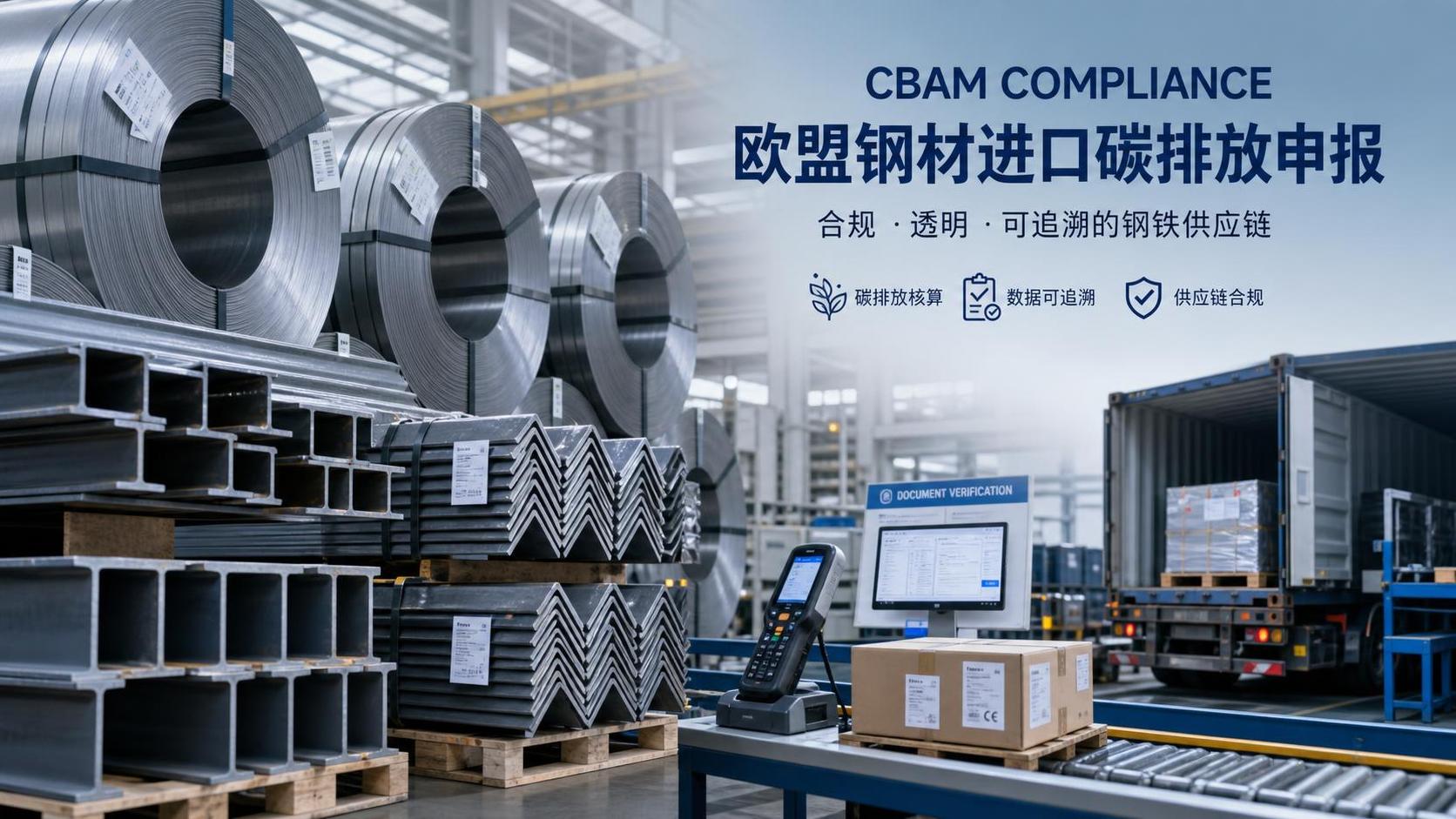
On August 8, 2026, the European Commission formally put into effect new transitional CBAM reporting requirements for imported steel and structural steel products. The change brings mandatory quarterly carbon emissions reporting into the day-to-day workflow of companies shipping covered products into the EU, with implications that reach beyond customs filing to inventory planning, contract terms, and supplier compliance preparation. For exporters, distributors, buyers, and supply chain teams connected to EU-bound steel trade, this is a development that deserves close operational attention.
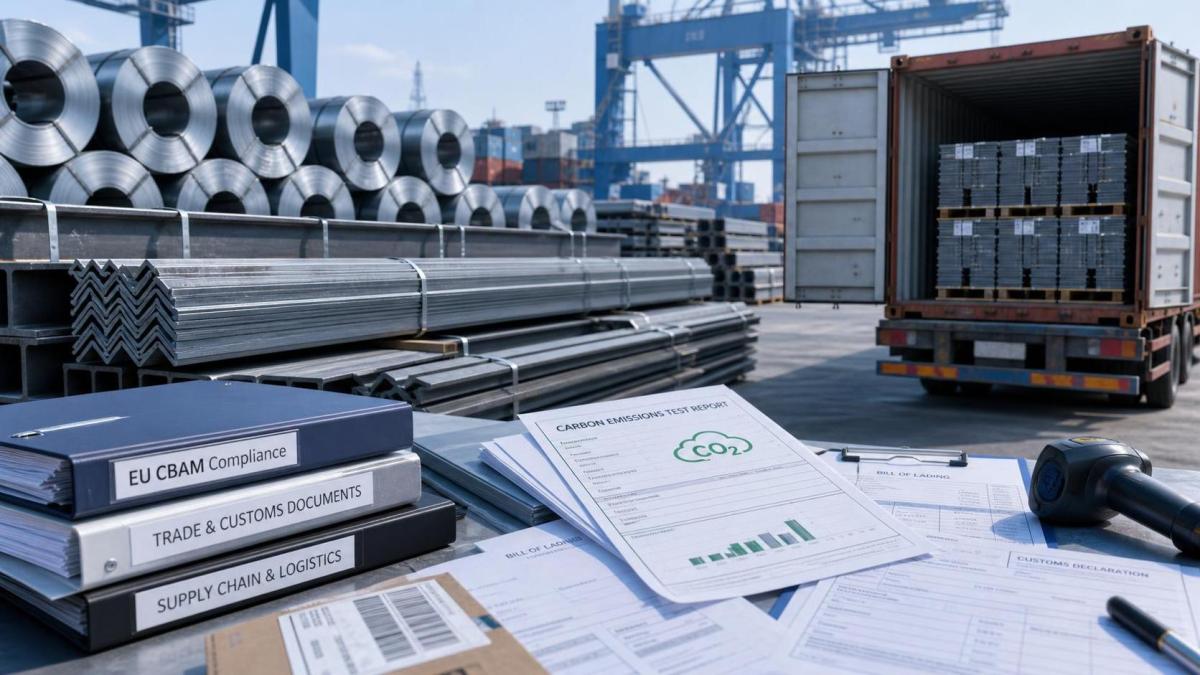
What Has Taken Effect as of August 8
According to the provided event information, the EU CBAM framework began mandatory quarterly carbon emissions data reporting for imported steel and structural steel products on August 8, 2026. The covered categories include major product types such as hot-rolled coil, H-beams, and angle steel.
Exporters selling these products to the EU are required to submit information through the EU-CEC system. The required reporting content includes production processes, power source information, and direct emissions data. The provided information also states that non-compliant reporting may affect customs clearance and market access.
Where the Immediate Pressure Appears in the Supply Chain
Export transactions now depend on reporting readiness
From an industry perspective, direct trading companies are likely to feel the first impact because the reporting requirement sits close to shipment execution and EU market entry. The practical pressure point is no longer only product availability or delivery timing, but whether emissions-related information can be submitted in a usable and timely manner.
Distributors face changes in stock planning assumptions
Overseas distributors may be affected because the event information directly links the measure to inventory planning. Analysis shows that when customs clearance and market access can be influenced by reporting compliance, stock decisions may need to account for documentation readiness alongside normal demand and replenishment considerations.
Procurement and contract teams may need tighter documentation terms
The provided information also points to procurement contract clauses as an area of impact. Observably, buyers and contract managers may need to pay closer attention to how production-process data, electricity-source information, and direct emissions data are provided, updated, and assigned within commercial arrangements.
Chinese suppliers face a stronger compliance preparation burden
For Chinese suppliers, the event specifically highlights compliance certification preparation. What deserves closer attention is that the issue is not limited to export sales teams; production, documentation, and external compliance support functions may all be drawn into the reporting process because the required data is tied to how products are made and how energy inputs are described.
What Companies Should Watch Now
Follow the reporting workflow, not only the policy headline
Analysis shows that the immediate business question is how the quarterly reporting obligation will be handled in practice through the EU-CEC system. Companies involved in EU shipments should focus on whether internal and supplier-side data collection can support regular submission, rather than treating the change as a one-time compliance notice.
Check which product lines are most exposed
The confirmed information names hot-rolled coil, H-beams, and angle steel among the covered categories. Firms with exports, procurement exposure, or distribution activity in these lines should identify where reporting obligations are most likely to intersect with active orders, pending deliveries, and ongoing customer commitments.
Review contract language and document responsibilities
Because the measure is stated to affect procurement contract terms, companies may need to examine how responsibilities for emissions-related information are defined between supplier, exporter, distributor, and buyer. The practical issue is whether the required production and emissions data can be delivered in a form that supports customs-related processes without creating execution gaps.
Prepare customer and supplier communication earlier
Observably, reporting requirements can become a coordination issue before they become a filing issue. Businesses may need earlier communication with suppliers on data availability and with EU-side customers or partners on documentation timing, especially where clearance or access risk could affect delivery expectations.
Why This Looks Like More Than a Routine Filing Change
This section is analysis. It is more appropriate to understand this development as an operational compliance signal with immediate trade implications, rather than as a distant policy theme. The reason is straightforward: the provided information directly connects reporting non-compliance with customs clearance and market access, which places the issue inside core transaction execution.
At the same time, it should not be overstated beyond the confirmed facts. The current information shows a clear reporting requirement and clear areas of business impact, but it does not by itself establish the full commercial outcome for every product, company, or supply route. That is why this remains a development that requires close observation as companies move from awareness to implementation.
How the Market May Best Read This Stage
Based on the confirmed information and the analysis above, this update is best read as a near-term compliance change with broader long-term significance for EU-bound steel trade. In the short term, the pressure is on reporting capability, document coordination, and shipment readiness. In a broader industry sense, the signal is that emissions-related reporting is becoming more directly tied to market access conditions for covered steel products.
A neutral reading is therefore the most useful one: this is neither a minor administrative footnote nor a basis for sweeping conclusions beyond the facts provided. It is a concrete trade requirement that companies in the relevant supply chain should monitor closely and translate into operational checks.
Basis of This Article and What Still Needs Verification
This article is based on the user-provided news title, event date, and event summary. The specific official source link was not provided in the input, so further verification remains necessary through relevant source types typically associated with this kind of development, such as official announcements, company notices, industry association information, authoritative media reporting, and standard-setting or regulatory documents.
Where continued observation is concerned, the key areas to watch are any later official wording, implementation clarifications, and how reporting obligations are reflected in actual trade documentation, supplier preparation, and EU-bound transaction execution.

By clicking 'Allow All', you agree to the storage of cookies on your device to enhance site navigation, analyze site usage and assist with our marketing efforts. Coo Cookie Notice
Please give us a message
SHANDONG LUBAO METAL GROUP CO., LTD.