


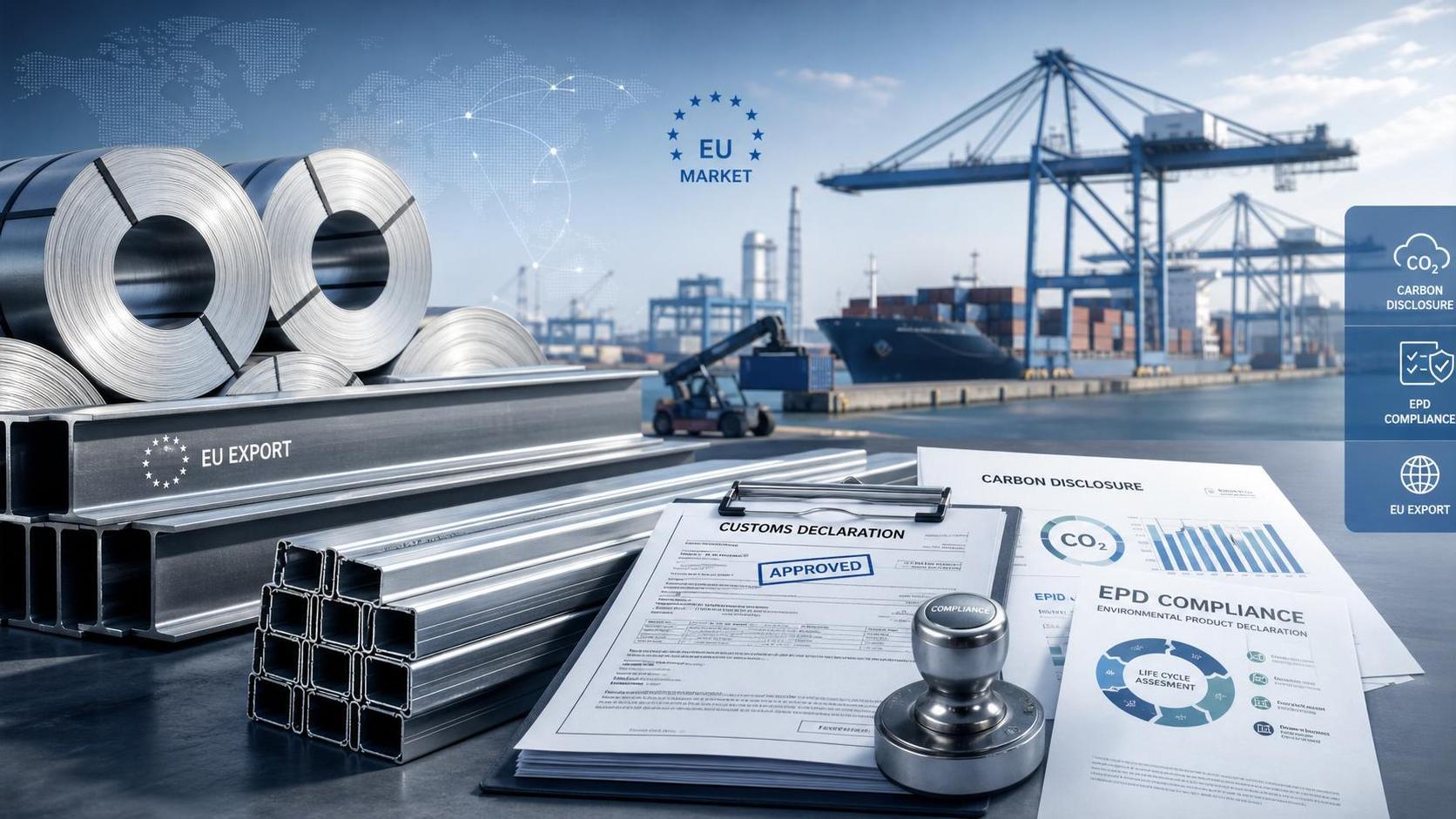
On July 8, 2026, the European Union moved CBAM into full implementation for selected imported steel and section products, bringing actual embedded carbon emissions directly into the tax calculation for products such as hot-rolled coil, H-beams, and cold-formed sections. For steel exporters, importers, processors, and supply chain operators serving the EU market, this is a development worth close attention because it links pricing, documentation, and delivery planning more tightly to verified carbon disclosure requirements.
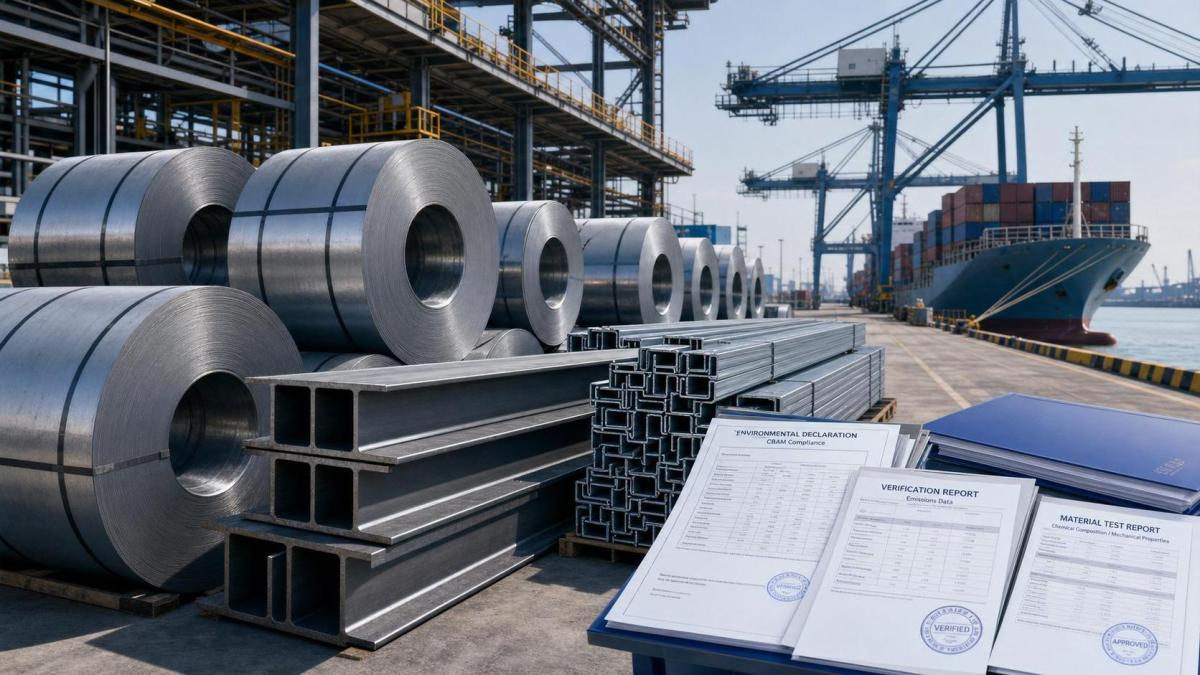
What Has Entered into Effect
According to the provided information, the full implementation phase began on July 8, 2026. The measure applies carbon charges to imported steel and profile products including hot-rolled coil, H-beams, and cold-formed sections based on their actual embedded carbon emissions.
The first batch of coverage includes all EU member states as well as Norway and Iceland. At the declaration stage, import filings must be submitted together with an EPD (Environmental Product Declaration) verified by an accredited third party.
The same information also indicates that the change will directly affect the quotation structure, compliance costs, and delivery timelines of Chinese steel exporters.
Where the Pressure Is Likely to Appear First
Export quotations are no longer only a product price issue
From an industry perspective, direct trading companies shipping steel products into the covered markets may be affected first because the new charge is tied to actual embedded emissions rather than a purely standard product classification approach. The immediate business impact is likely to show up in quotation design, margin calculation, and customer negotiation, especially where pricing previously did not need to account for verified carbon content alongside product value.
Processing and manufacturing links face document-dependent execution risk
For processors and manufacturers supplying covered steel products, the issue is not limited to tax exposure. Observably, the requirement to submit an accredited third-party verified EPD means that shipment readiness may depend on whether product-level environmental documentation is complete and acceptable. This can affect order confirmation, document preparation, and the timing of export execution.
Supply chain and delivery teams may need tighter coordination
Supply chain service providers, logistics coordinators, and export operations teams may also feel the effect because declaration requirements now sit closer to the delivery process. What deserves closer attention is whether documentation review, customs-facing preparation, and shipment scheduling remain aligned when compliance materials must move in parallel with goods.
EU-facing buyers may put more focus on documentation consistency
For buyers and channel partners serving the EU, Norway, and Iceland, the practical concern may be less about policy interpretation and more about transaction certainty. Analysis shows that counterparties may pay closer attention to whether emissions-related declarations, third-party verification, and delivery commitments match the commercial terms already agreed.
What Companies Should Watch in Daily Operations
Check which product lines face immediate exposure
Companies should first identify whether their EU-bound portfolio includes the steel and section products explicitly mentioned in the provided information, including hot-rolled coil, H-beams, and cold-formed sections. In practice, this is the starting point for deciding which quotations, contracts, and shipment plans may need review.
Verify whether EPD preparation can keep pace with orders
The requirement for an accredited third-party verified EPD makes document readiness a core operational issue. What deserves closer attention is not only whether an EPD exists, but whether verification status, document timing, and submission workflow can support ongoing shipments without creating avoidable delays.
Reassess lead time assumptions in export execution
Because the provided information points directly to delivery-cycle pressure, exporters and service teams should distinguish between commercial lead time and compliance lead time. The policy signal and the actual execution burden are not always the same; in day-to-day business, document verification and filing coordination may become a separate planning variable.
Prepare customers for changes in quotes and fulfillment timing
Analysis shows that customer communication now matters at two levels: price structure and delivery expectation. Where carbon charges and supporting documentation affect quotations or shipment timing, early explanation may help reduce disputes over revised pricing logic, order confirmation, or fulfillment schedules.
How This Development Is Best Interpreted
As an editorial observation, this is more than a short-term procedural adjustment because the full-phase implementation ties market access more closely to verified emissions disclosure in actual transactions. At the same time, it should not be overstated as a complete outcome already settled across every business scenario. It is more appropriate to understand this as a clear operating signal: carbon reporting, third-party verification, and trade execution are becoming more tightly connected in covered steel exports.
Observably, the market still needs to keep watching how companies absorb the added compliance burden in pricing, documentation flow, and delivery coordination. The immediate fact is implementation; the broader commercial response remains something to monitor rather than assume.
Why the Market Is Paying Attention
The significance of this update lies in its direct effect on real export operations. Based on the provided information, the issue is no longer only regulatory awareness but practical execution across quotation, compliance, and delivery. For companies exposed to the covered markets, the development is best read as a current operational change with longer-term strategic implications, rather than as a temporary headline with limited follow-through.
Basis of This Article and What Still Needs Verification
This article is based on the user-provided news title, event date, and event summary. The confirmed information used here includes the July 8, 2026 implementation date, the move into full CBAM implementation for certain imported steel and section products, the coverage of all EU member states plus Norway and Iceland, the requirement for an accredited third-party verified EPD, and the indicated impact on the quotation structure, compliance cost, and delivery cycle of Chinese steel exporters.
For this type of industry update, relevant source categories would usually include official announcements, company disclosures, industry association information, authoritative media reporting, and standard-related documents. A specific official source link was not provided in the input, so it still requires ongoing verification. Areas that warrant continued attention include any subsequent official wording, implementation clarifications, and changes affecting document submission or execution at the transaction level.

By clicking 'Allow All', you agree to the storage of cookies on your device to enhance site navigation, analyze site usage and assist with our marketing efforts. Coo Cookie Notice
Please give us a message
SHANDONG LUBAO METAL GROUP CO., LTD.