


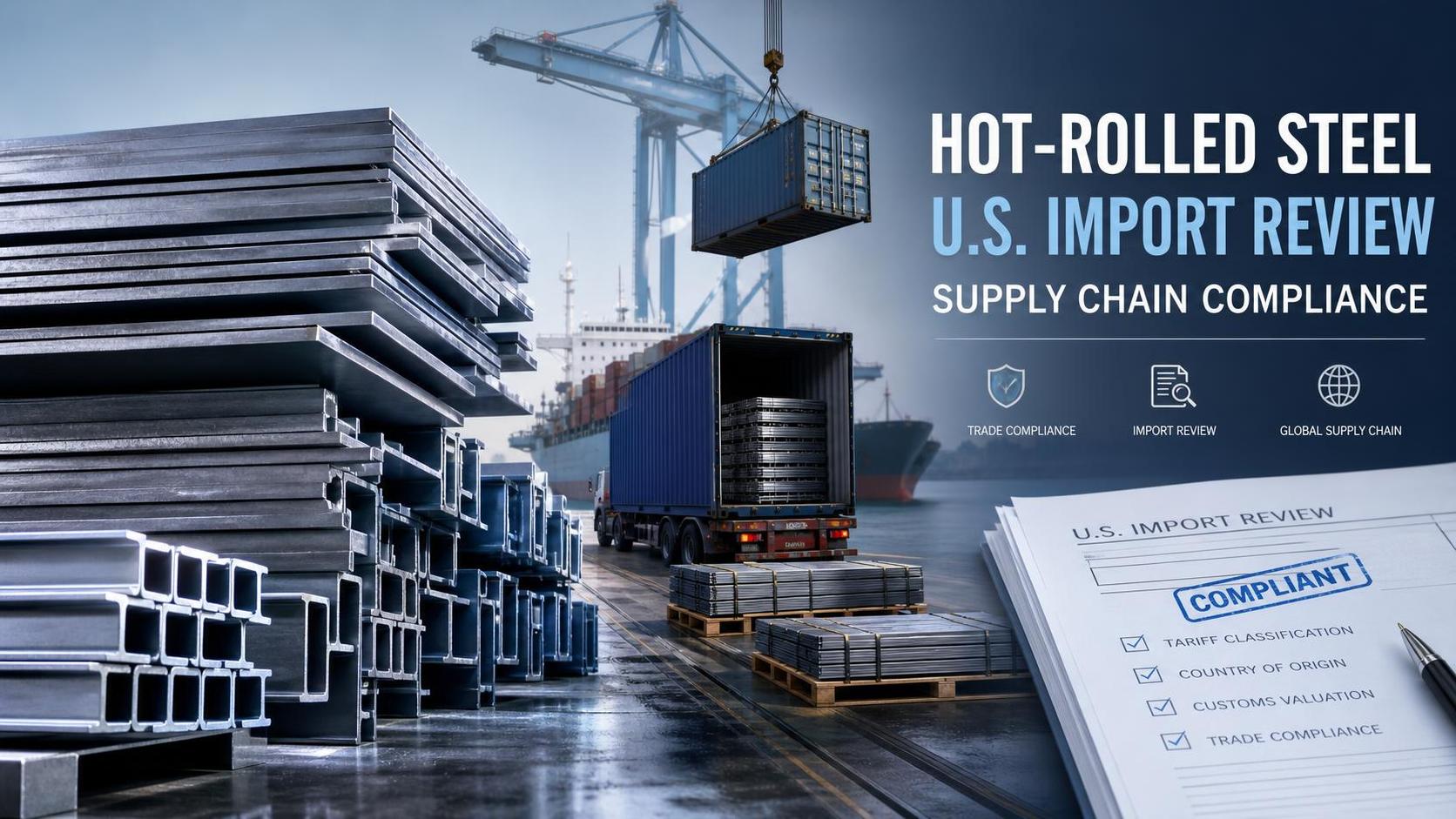
On July 31, 2026, the U.S. Department of Commerce initiated the first administrative review of the anti-dumping duty order covering hot-rolled steel plate from China. The review applies to shipments exported to the United States during the 2025 calendar year and matters not only for direct trading companies, but also for importers, procurement teams, customs and documentation functions, and supply chain service providers. The reason this development deserves industry attention is practical: a new dumping margin determination can affect export pricing, clearance preparation, and cash deposit requirements over the next 12 to 24 months.
What the Commerce Department Has Formally Started
According to the provided event information, the U.S. Department of Commerce officially announced on July 31, 2026 that it is opening the first administrative review of the anti-dumping duty order on hot-rolled steel plate originating in China. The period covered by this review is January 1, 2025 through December 31, 2025 for goods exported to the U.S. market. The stated purpose of the review is to recalculate the dumping margins for the companies involved, and the outcome may affect future export quotations to the United States, customs clearance documentation preparation, and deposit payment requirements.
Where the Pressure May Show Up Along the Supply Chain
Exporters and direct trading companies may face quoting uncertainty
From an industry perspective, exporters and trading firms are the first group likely to feel the effect because any revised dumping margin can change how they price future U.S.-bound business. The main impact point is commercial planning: quotations, contract assumptions, and customer negotiations may all require closer review while the administrative process is underway.
U.S. importers may need tighter compliance and cash-flow planning
Importers are exposed through compliance cost and transaction timing. Analysis shows that if review results alter deposit obligations or documentation expectations, importers may need to reassess landed-cost calculations, internal approval steps, and the way they manage customs filing readiness. What deserves closer attention is not only the tariff burden itself, but also the operational discipline required to support entries tied to reviewed shipments.
Supply chain and customs service providers may see higher documentation demands
Customs brokers, freight coordinators, and related service providers may be affected because document accuracy and timing become more sensitive when anti-dumping reviews are active. The business impact is likely to concentrate in file preparation, supporting records, and communication with clients over shipment status and compliance requirements.
Downstream buyers may need to watch lead times rather than only price
For procurement teams and downstream industrial users sourcing products linked to U.S. imports, the issue may extend beyond headline pricing. Observably, any adjustment in compliance procedures or deposit requirements can influence ordering rhythm, confirmation cycles, and delivery planning, especially where buyers depend on stable import scheduling.
What Companies Should Watch Now
Track official language and scope with precision
Companies involved in affected trade flows should pay close attention to subsequent official wording related to the review, especially anything that clarifies company coverage, procedural requirements, or timing. In trade remedy matters, small changes in official phrasing can have practical consequences for documentation and transaction treatment.
Review records tied to 2025 shipments
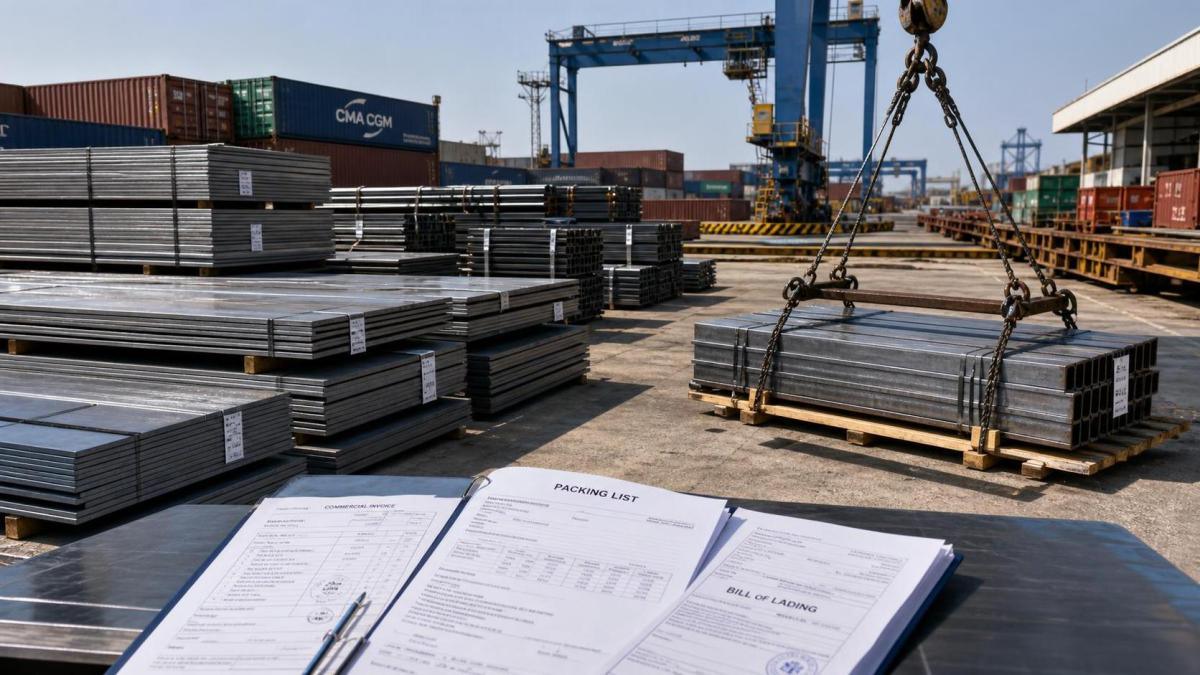
Because the review covers exports made between January 1 and December 31, 2025, businesses should focus on records associated with that period. This is particularly relevant for shipment files, commercial paperwork, and transaction histories that may later influence compliance preparation or internal exposure assessment.
Separate policy signal from immediate business outcome
Analysis shows that the launch of a review is not the same as a final commercial result. Companies should avoid treating the announcement itself as a completed pricing outcome, while still preparing for the possibility that future export offers, deposit obligations, and clearance workflows could change. That distinction matters for customer communication and procurement planning.
Prepare for procurement and delivery adjustments
What deserves closer attention is the operational side: supplier coordination, document readiness, delivery scheduling, and customer notice procedures. Firms that serve the U.S. market may need contingency planning around quotation validity, customs paperwork completeness, and internal approval timelines if the review affects transaction costs or execution rhythm.
How This Should Be Read at This Stage
Observably, this development is better understood as an active procedural signal rather than a concluded market result. The confirmed fact is that the review has begun and that it may influence pricing, paperwork, and deposit-related requirements over the coming 12 to 24 months. The outcome itself has not been established in the provided information. For that reason, the current significance lies in heightened compliance and planning sensitivity rather than in any confirmed shift in trade volumes or final cost levels.
Why the Industry Will Keep Watching
At this point, it is more appropriate to understand the announcement as a development that can shape near- to medium-term operating conditions for China-origin hot-rolled steel plate entering the U.S. market. The immediate issue is not certainty of result, but the need for closer attention across pricing, customs preparation, and procurement timing. For industry participants, the practical takeaway is to treat this as a review-driven compliance and transaction planning matter that still requires continued observation.
Basis of This Article and Ongoing Verification
This article is based on the user-provided news title, event date, and event summary. For developments of this type, commonly relevant source categories include official government notices, company disclosures, industry association updates, authoritative media reporting, and related trade or standards documentation. No specific official source link was provided in the input, so the precise official reference still needs to be continuously verified. Follow-up attention should remain on later official statements, procedural updates, and any clarification that affects export pricing, documentation requirements, or deposit obligations.

By clicking 'Allow All', you agree to the storage of cookies on your device to enhance site navigation, analyze site usage and assist with our marketing efforts. Coo Cookie Notice
Please give us a message
SHANDONG LUBAO METAL GROUP CO., LTD.