



On July 23, 2026, the U.S. Department of Commerce announced the launch of the first expedited sunset review of the anti-dumping duty order covering Circular Welded Carbon Steel Pipes and Tubes from China. For exporters, importers, distributors, and North American channel partners, the development is worth close attention because it can shape compliance pathways and customs-related cost exposure for shipments over the next 12 to 24 months, while also raising immediate questions around supplier qualification, origin documentation, and the completeness of price commitment records.
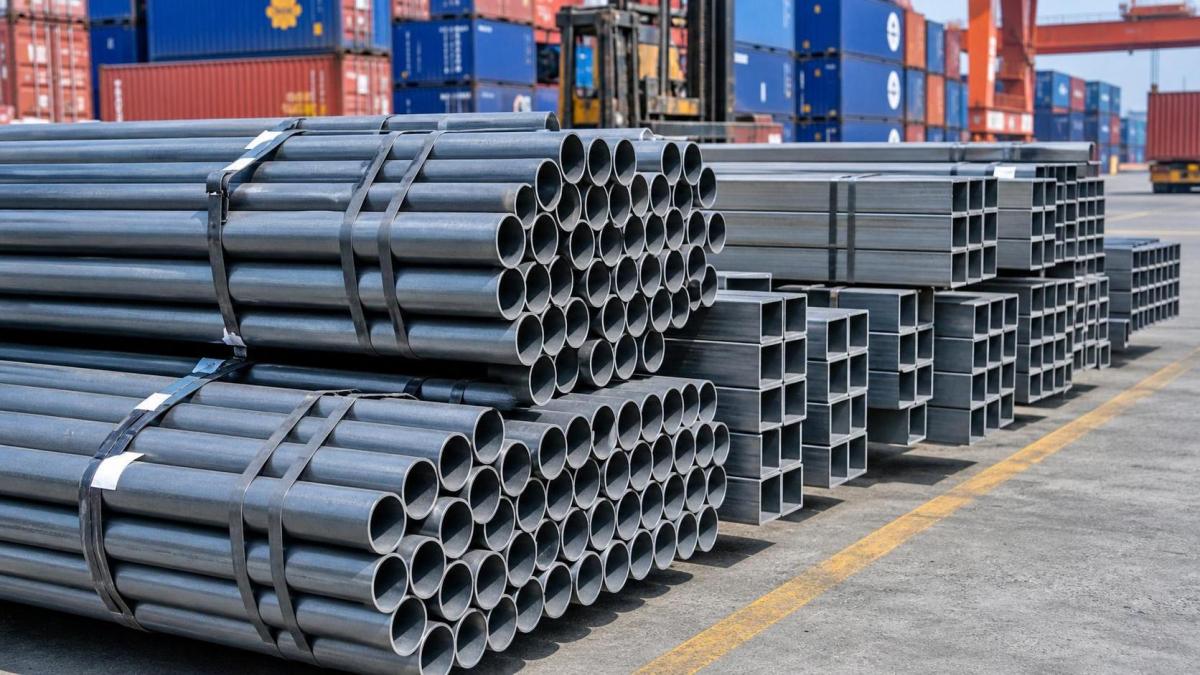
What the Announcement Confirms
The confirmed facts are limited but commercially important. The review was formally initiated by the U.S. Department of Commerce on July 23, 2026, and it concerns the existing anti-dumping duty order on Circular Welded Carbon Steel Pipes and Tubes originating in China. The proceeding is identified as a first expedited sunset review. According to the information provided, the review will assess whether continuing the duty order is likely to have a material impact on the U.S. domestic industry, and the outcome is expected to directly affect compliance arrangements and customs clearance costs for Chinese exports of the product category to the U.S. market during the coming 12 to 24 months.
Where the Pressure May Appear Across the Supply Chain
Export-facing trading activity may face tighter transaction screening
From an industry perspective, direct trading companies connected to shipments of the covered pipe and tube products may be affected first because the review puts greater weight on whether product origin, supplier identity, and supporting commercial records can withstand scrutiny. The main impact is likely to appear in quotation review, shipment planning, and customs preparation rather than in product specification itself.
Import and distribution operations may need more document discipline
Importers and distributors in North America are specifically relevant in this situation because the information provided points to future effects on customs clearance costs and compliance routes. Analysis shows that these businesses will need to watch for changes in filing requirements, internal review procedures, and the completeness of records tied to origin and pricing representations before goods enter the market.
Channel partners may need to reassess supplier readiness
For channel partners, the issue is not only tariff exposure but also operational continuity. Observably, if supplier credentials or origin-proof materials are incomplete, downstream planning for inventory, customer delivery timing, and order acceptance could become more cautious. What deserves closer attention is whether supplier-side compliance preparation is strong enough to support ongoing U.S.-bound business without avoidable clearance friction.
What Companies Should Watch Now
Follow official wording, not assumptions
Analysis shows that companies should separate the confirmed initiation of the review from any assumption about its final direction. The immediate practical task is to monitor how the official process is described and whether any later procedural language changes the compliance expectations for covered transactions.
Recheck supplier credentials and origin files
The information provided already points to supplier qualification and certificates of origin as priority items. Businesses involved in procurement, sales, or customs preparation should therefore review whether supplier records are current, internally consistent, and aligned with transaction documents used for U.S.-bound shipments.
Review price-related documentation before shipment pressure builds
Price commitment materials are explicitly mentioned in the input and should be treated as a core control point. For firms shipping or sourcing these products, the practical issue is whether commercial paperwork, pricing records, and customer-facing transaction documents are complete enough to support a defensible customs and compliance position.
Prepare for communication gaps across counterparties
Importers, distributors, and North American partners may not all interpret the review in the same way at the same time. From an industry perspective, companies should focus on aligned communication across suppliers, buyers, logistics partners, and customs-facing teams so that documentation standards and delivery expectations are clear before shipments move.
How This Signal Should Be Read at This Stage
This section is an editorial observation rather than a statement of fact. It is more appropriate to understand this development as an active regulatory signal with immediate operational relevance, not as a final market outcome. The review has already created a need for closer document control and supplier assessment, but it does not by itself confirm the final compliance or cost position that market participants will face later. That is why the event deserves continued attention: it sits between formal policy procedure and practical trade execution.
Why the Market Will Keep Watching
At this point, the news matters less as a headline and more as a decision point for companies with exposure to China-origin carbon steel welded pipe shipments to the United States. The current takeaway should remain measured. The review is a concrete development with likely consequences for compliance preparation and customs cost planning, but it is still better understood as a process-driven industry development that requires continued verification rather than a settled conclusion.
Basis of This Article
This article is based on the user-provided news title, event date, and event summary concerning the U.S. Department of Commerce's July 23, 2026 initiation of an expedited sunset review of the anti-dumping duty order on Circular Welded Carbon Steel Pipes and Tubes from China. For this type of development, commonly relevant source categories may include official government notices, company disclosures, industry association updates, authoritative media reporting, and standards or trade-related documentation. A specific official source link was not provided in the input, so further verification remains necessary. Areas for continued follow-up include any later official wording, procedural updates, and practical implications for documentation, origin review, and customs clearance requirements.

By clicking 'Allow All', you agree to the storage of cookies on your device to enhance site navigation, analyze site usage and assist with our marketing efforts. Coo Cookie Notice
Please give us a message
SHANDONG LUBAO METAL GROUP CO., LTD.