


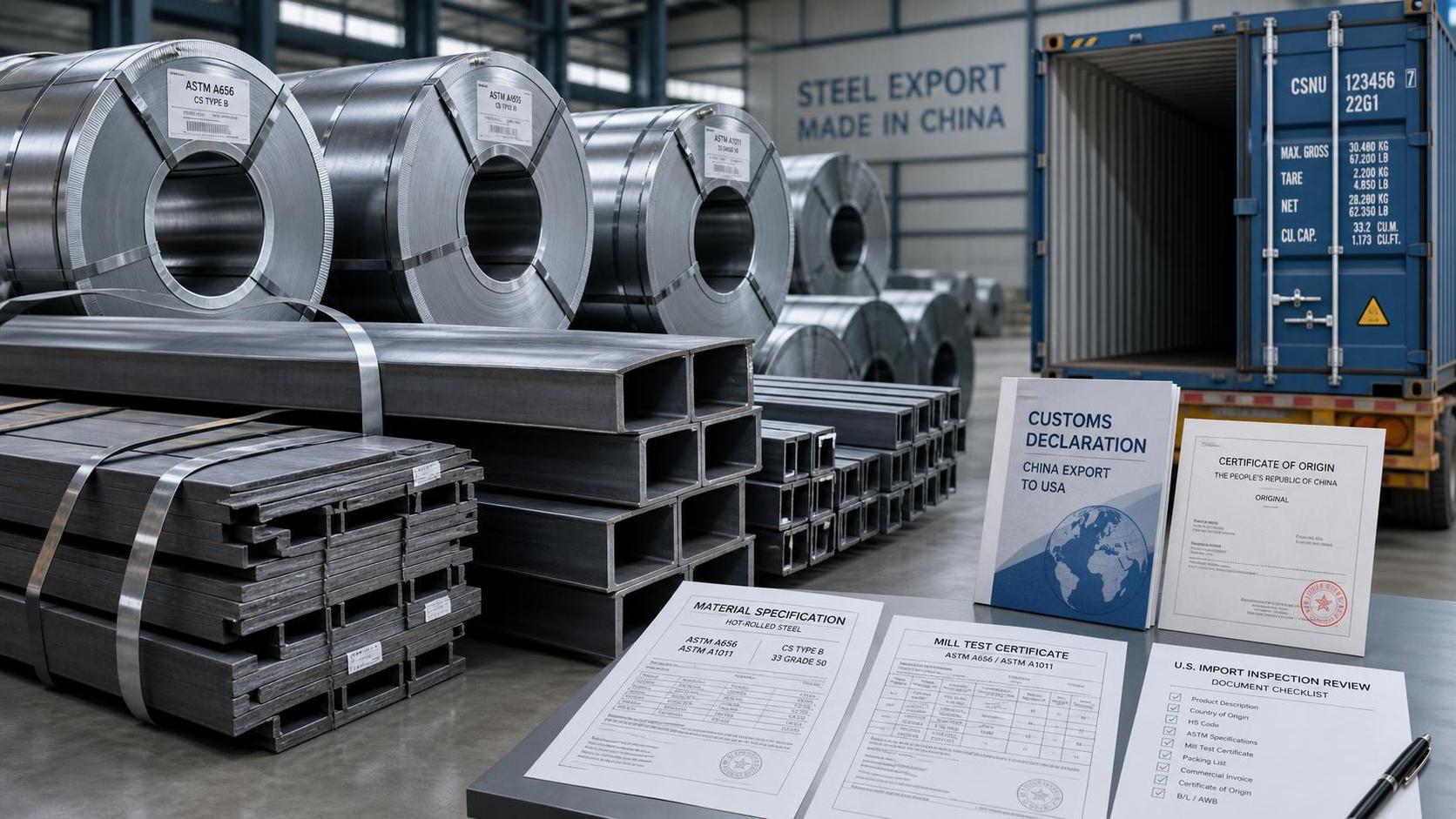
On August 5, 2026, the U.S. Department of Commerce announced an administrative review covering Chinese hot-rolled steel products exported to the U.S. during the 2025 calendar year. For companies involved in hot-rolled structural and form steel trade, this matters not only because it affects how anti-dumping duty rates may be determined, but also because it can change document preparation, customs handling, and annual compliance work for importers and overseas distributors, especially in shipments tied to ASTM A656 and ASTM A1011 grades.
What the Notice Confirms
The confirmed information is limited but commercially significant. The U.S. Department of Commerce issued the notice on August 5, 2026 and formally opened an Administrative Review concerning Chinese hot-rolled steel imports into the U.S. The review covers export batches shipped between January 1, 2025 and December 31, 2025.
According to the provided summary, the review directly relates to the determination of duty rates, customs clearance document requirements, and annual compliance declaration obligations for importers. The products specifically highlighted include mainstream structural and form steel exports associated with ASTM A656 and ASTM A1011. The same summary also indicates that overseas distributors and importers need to prepare certificates of origin, cost composition documents, and third-party audit materials.
Where the Immediate Pressure May Appear
Export transactions tied to the U.S. market
From an industry perspective, direct trading companies are likely to feel the impact first because the review is tied to exported batches and duty-rate determination. The practical pressure point is not only the shipment itself, but whether the transaction file can support product classification, origin, and cost-related scrutiny when requested.
Import-side compliance and customs processing
For U.S.-facing importers and distributors, the effect may be concentrated in customs documentation and annual compliance reporting. Analysis shows that this is less about a general trade headline and more about the operational burden of proving consistency across declarations, product records, and supporting materials linked to the covered review period.
Structural steel and standard-linked product flows
Businesses handling ASTM A656 and ASTM A1011 products should pay closer attention because these grades were specifically referenced in the provided information. What deserves closer attention is whether product-level documentation, commercial records, and technical descriptions are aligned well enough to support customs and review-related checks without creating avoidable delays.
Service providers around documentation and audit readiness
Supply-chain service firms, customs support teams, and third-party compliance advisers may also see increased demand. Observably, the need to assemble origin proof, cost breakdown files, and third-party audit materials can shift work upstream, requiring earlier coordination between exporters, distributors, and import-side compliance teams.
What Companies Should Watch Now
Track official wording and procedural updates carefully
The current notice confirms that the review has started, but businesses should distinguish between the fact of initiation and any later procedural developments. Analysis shows that companies should focus on subsequent official wording that may clarify documentation scope, submission timing, or how covered transactions are handled in practice.
Check whether affected shipments fall within the review window
A key practical step is to identify whether exports to the U.S. fall within the January 1, 2025 to December 31, 2025 review period. This is important for internal file retrieval, broker coordination, and preparing records connected to the batches under review.
Prepare core supporting materials before requests intensify
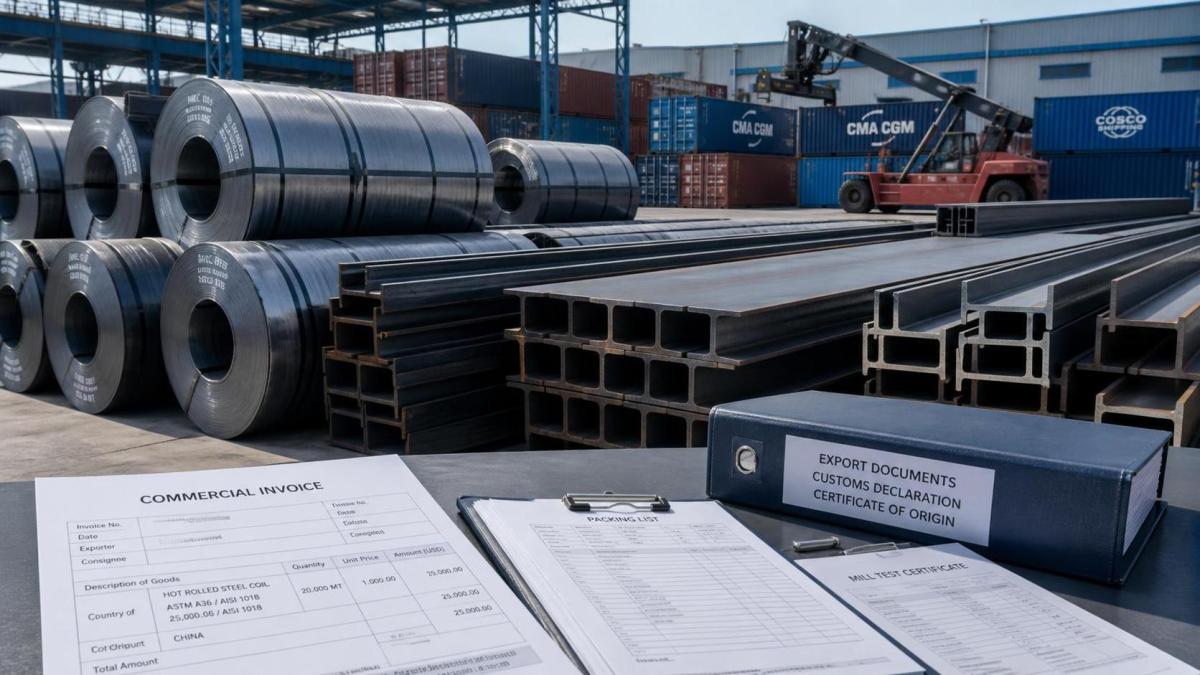
The provided information already points to three categories that deserve immediate attention: certificates of origin, cost composition documents, and third-party audit materials. For companies in the affected trade flow, the issue is not simply having documents on file, but confirming that they are complete, internally consistent, and usable for review and customs-related purposes.
Align supplier, distributor, and importer communication
Where multiple parties share responsibility for product records and shipment files, communication gaps can become a commercial risk. From an operational perspective, companies should pay attention to who holds the authoritative version of origin records, who can substantiate cost information, and how quickly materials can be produced if requested.
How This Development Should Be Read
This section is analysis rather than confirmed fact. It is more appropriate to understand this development as an active regulatory process rather than a final commercial outcome. The notice signals that compliance, documentation quality, and transaction traceability are now central issues for the covered product flow, but it does not by itself settle the ultimate business impact for every market participant.
Observably, the review matters because it sits at the intersection of duty exposure, customs processing, and importer reporting obligations. That makes it relevant not only to steel exporters, but also to distributors and importers whose year-end compliance work depends on complete and defensible shipment records. For now, this remains a development that requires continued observation rather than a basis for broad conclusions about long-term market direction.
A Short-Term Operational Issue With Wider Signaling Value
In summary, the August 5, 2026 notice should be read first as a concrete compliance and documentation event for companies trading Chinese hot-rolled steel into the U.S. market. Its immediate significance lies in duty-rate review exposure, customs document handling, and importer declaration responsibilities, particularly for ASTM A656 and ASTM A1011 related exports.
At the same time, analysis shows that the broader meaning is still emerging. It is more appropriate to understand this as a near-term operational change with possible longer-tail implications, rather than as a finalized result. For the industry, the sensible position is to stay focused on document readiness, product scope, and follow-up official developments.
Basis of This Article
This article is based on the user-provided news title, event date, and event summary concerning the U.S. Department of Commerce's initiation of an anti-dumping administrative review of Chinese hot-rolled steel imports. The content above distinguishes confirmed facts from analysis and observation.
For this type of development, commonly relevant source categories may include official government notices, company disclosures, industry association updates, authoritative media reporting, and standards-related documentation. A specific official source link was not provided in the input, so the exact source document still requires ongoing verification. Continued attention should be given to any later official clarifications, procedural updates, and scope-related interpretations affecting covered shipments and compliance obligations.

By clicking 'Allow All', you agree to the storage of cookies on your device to enhance site navigation, analyze site usage and assist with our marketing efforts. Coo Cookie Notice
Please give us a message
SHANDONG LUBAO METAL GROUP CO., LTD.